




AI-Readiness Assessment
An AI readiness assessment for construction checks whether a firm's project information is ready for AI tools to use: organised, accurate, safe to share and clear about who owns it. It shows the gaps, which AI uses are realistic now, and which must wait.
- UsesA shortlist of realistic uses
- InformationThe sources each use depends on
- SampleA measure of how reliable they are
- ReadinessA ready-or-not verdict per use
AI readiness assessment for construction at a glance
 Who it is for
- leaders planning AI tools, and the IT and information teams behind them
 Inputs
- access to repositories; time with key staff; the AI uses under consideration
 Outputs
- a readiness picture, a realistic list of AI uses, a "not yet" list and a scoped first fix
 Who is responsible
- BluEnt runs the assessment; the firm provides access and people
 Engagement shape
- fixed scope, agreed in writing

The problem
AI tools are easy to switch on and hard to trust.
They answer from whatever files they can reach.
If those files are duplicated, out of date or shared too widely, the answers inherit the problem.
- AI tools are already in useteams use AI informally and leadership wants to know what information those tools can reach.
- A Copilot or AI search rollout is plannedthe firm wants to know whether its information is ready before switching it on.
- Answers cannot be trusteda pilot returned outdated or wrong answers, and the firm wants to know why.
What an AI readiness assessment produces
A clear view of what is ready, what is not, and why.
How the work runs
From the AI uses a firm is considering to a realistic plan.
List AI uses
The AI uses under consideration are listed with the people who want them.
Map the information
Each use is traced to the documents and systems it would read.
Sample quality and access
A sample is checked for accuracy, duplication and who can see it.
Score readiness
Each use is scored ready, nearly ready or not yet.
Plan the first fix
The report ends with the first fix scoped.
What the firm receives
Named outputs, agreed in writing before the work begins.
Written for the people who will use the ai-readiness assessment work, and kept by the firm when it ends ends.
an information and data audit and governance framework for a mid-sized AEC firm preparing for Microsoft Copilot.
Read the case study →What this does not cover
Buying or configuring AI tools. Building AI solutions; see Applied AI for AEC. The assessment shows what is ready. Building on it is agreed separately.
What it covers
What the work looks at, and where it usually applies.
Every boundary of the ai-readiness assessment scope is confirmed in writing first.
- Which information AI tools would read for the intended use
- Duplicates, outdated versions and sensitive content in that information
- Access and permissions against how teams work
- The rules needed before AI is switched on
- A prioritised order of fixes, with the first one scoped
Ready for AI, or not yet
The difference is whether the information can be trusted when AI reads it.
Where firms usually start with ai-readiness assessment, and what changes once the work is done.
Who this is for
- Business leaders weighing AI tools who want a realistic view of where AI can help
- IT and information managers who must decide what AI tools can access
- Project and operations teams who would use AI for search, summaries or document work

Delivery model and security
Offices in the US, Canada, the UK, the Netherlands and India. How delivery works.
SOC 2 Type I and Type II attestations held. Security & SOC 2.
Related links
Related services that often come next.
Insights
Perspectives from BluEnt on data governance.
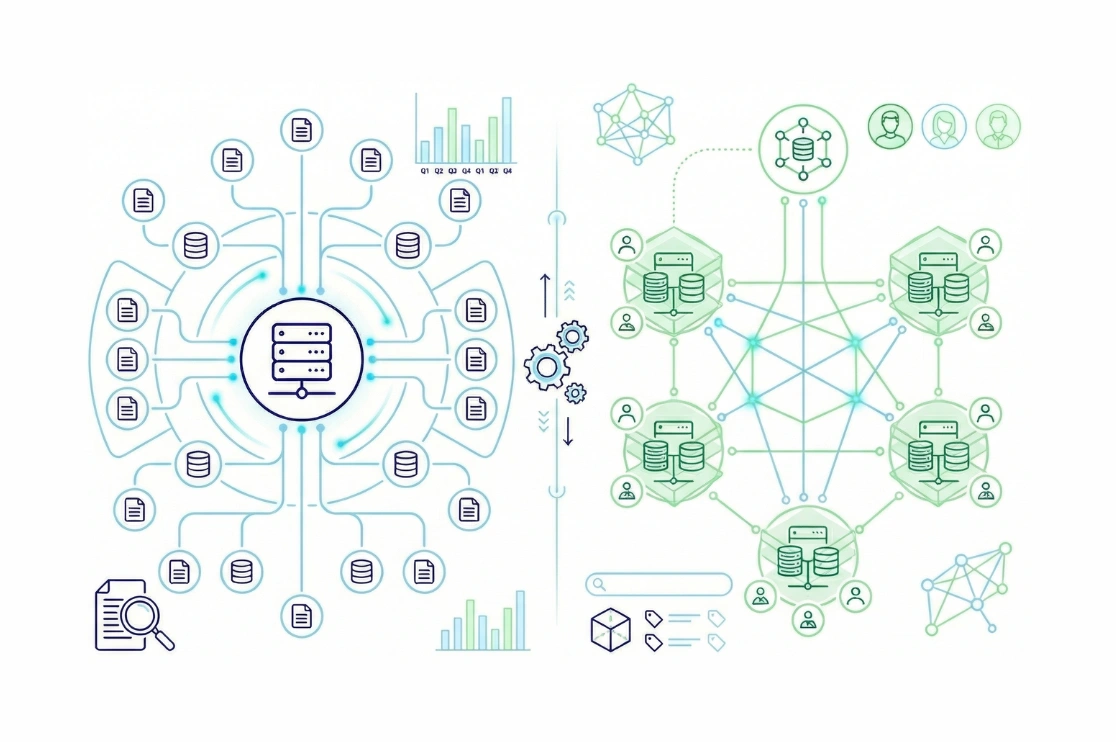 InsightCentralised, federated or hybrid governanceWhich governance model fits the organisation.Read the article
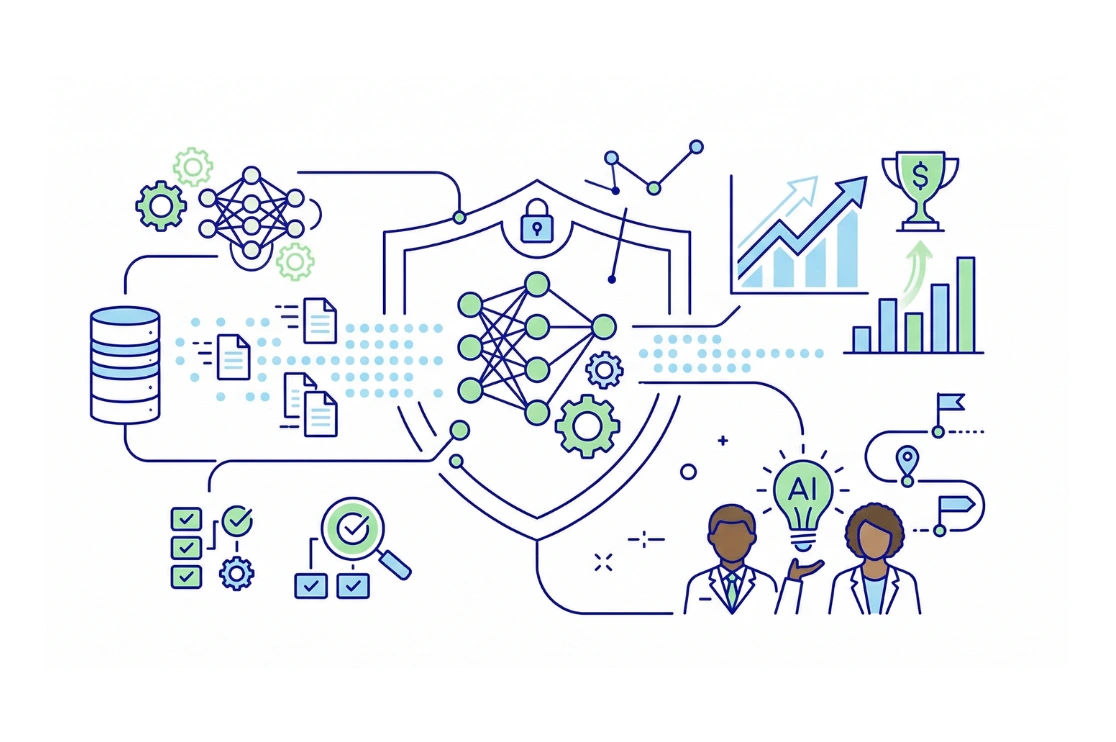 InsightData governance for AI and advanced analyticsBuilding a governance foundation that works for AI.Read the article
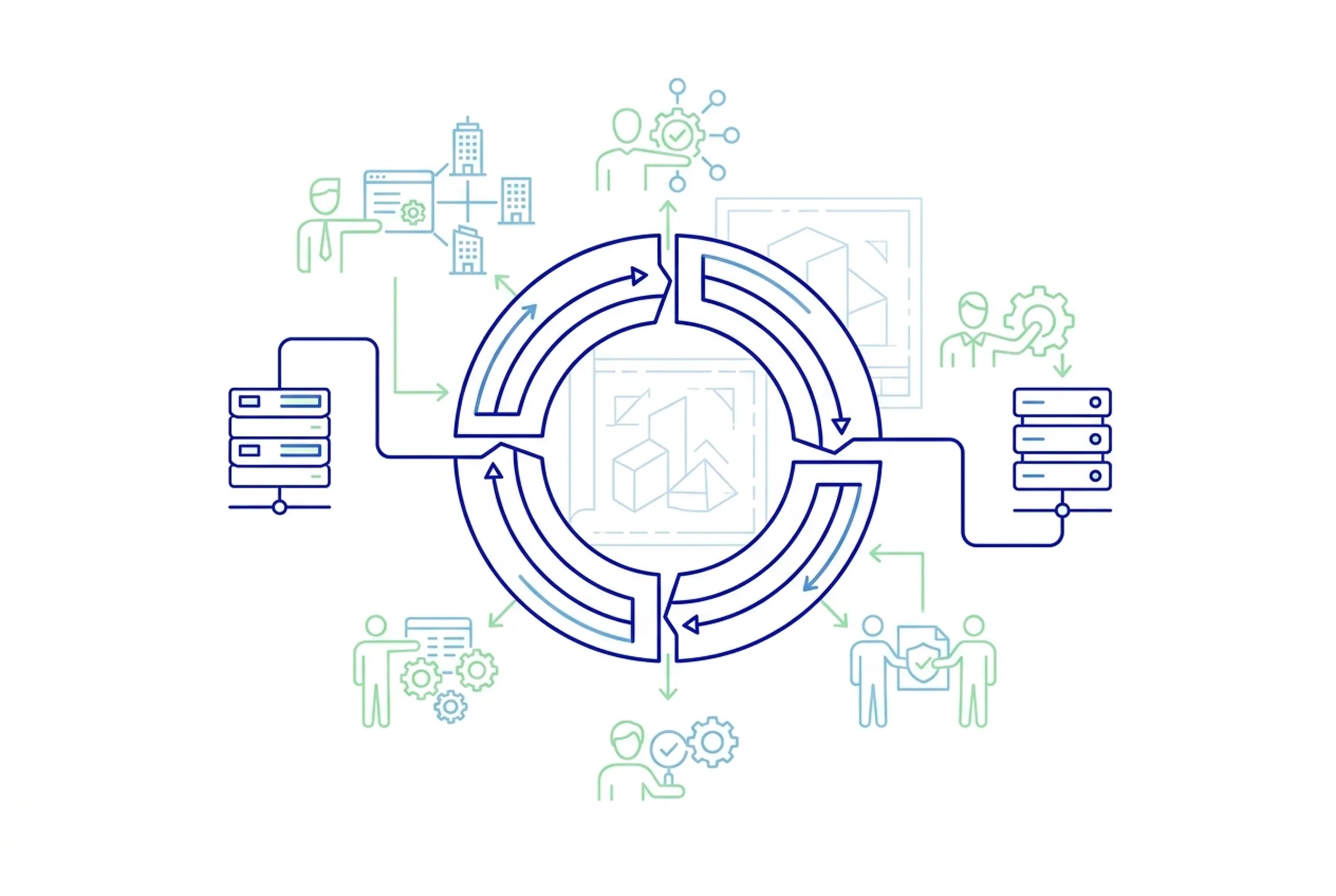 InsightData governance roles in AEC organisationsWho owns what, and how responsibilities are shared.Read the article
Questions about AI-Readiness Assessment

Does the firm need to have chosen an AI tool?
No. The assessment can start from the uses being considered, before any tool is chosen.
What is a "not yet" list?
The AI uses that would not work on the information as it stands, with what each one is waiting on.
Is this the same as a Copilot readiness check?
Copilot is one AI tool. That check looks at the Microsoft 365 estate specifically; this one covers project information more widely.
Does the assessment recommend specific AI products?
No. It looks at whether the information is ready. Product choice stays with the firm.
Can it cover tools already in use?
Yes. AI tools already switched on are included, so their access can be checked.
"*" indicates required fields
Your information is used only to reply to this enquiry and is never shared outside BluEnt. Privacy policy
