




Governance first, then AI
A mid-sized architecture, engineering and construction firm wanted to bring Microsoft Copilot into daily work.
Project information had grown across departments, file platforms and legacy systems, each managed its own way.
Before switching Copilot on, the firm needed to know what it would be able to read, and whether that information was organised, accurate and safely shared.
Mapped the information estate, found what stood in the way of safe AI use, and designed the governance framework and roadmap to fix it in the right order.
The work combined an information and data audit with governance framework design, run with the firm's leadership and a steering group drawn from IT and the service lines.
- DiscoverySystems, repositories and data flows mapped, and people interviewed across the business
- FindingsRisks, silos and gaps grouped into themes, each with its business impact
- FrameworkA governance policy, defined roles, an operating model and a playbook
- Copilot roadmapWhat to fix first, so Copilot reads information that can be trusted
The engagement in brief
 Client
- A mid-sized AEC firm, described without its name at its request
 Starting point
- Preparing to adopt Microsoft Copilot across the business
 Focus
- Information and data governance, and AI readiness
 Engagement
- Discovery, assessment and governance framework design
 What the firm received
- A governance policy, an operational playbook, an enterprise data architecture, a prioritisation framework and a Copilot readiness roadmap

What stood in the way of safe AI use
Copilot answers from whatever files it can reach. Here, those files had grown faster than the rules around them.
Without classification and clear ownership, sensitive information could not be protected once an AI tool could read it.
Data had grown across departments, platforms and file shares, each managed its own way. Earlier efforts to classify information had stalled because there was no agreed framework and no named owners to apply it.
- Unclassified file sprawlLarge volumes of files with little visibility into which held sensitive information.
- A records platform past vendor supportA legacy system that added security and integration risk.
- Inconsistent namingNo shared naming standard, so search, indexing and AI answers were unreliable.
- Departmental silosEach service line kept its own structures and practices.
- A classification effort that had stalledTools without a framework or owners to guide them.
What the discovery found
Six themes stood between the firm and safe use of AI on its information.
Project data in silos
Teams lost time reconciling versions, and risked working from outdated information.
Shadow systems
Spreadsheets and notebooks held data that no enterprise system could see or protect.
Access and sharing
Folder permissions and external file sharing reached wider than the work required.
Legacy and archive data
Historical project information was hard to reach when pricing and planning new work.
Sensitive information
Personal and confidential data sat without consistent classification or retention rules.
Design data in authoring files
Engineering information stayed inside drawing and model files, out of reach of reporting.
How the work ran
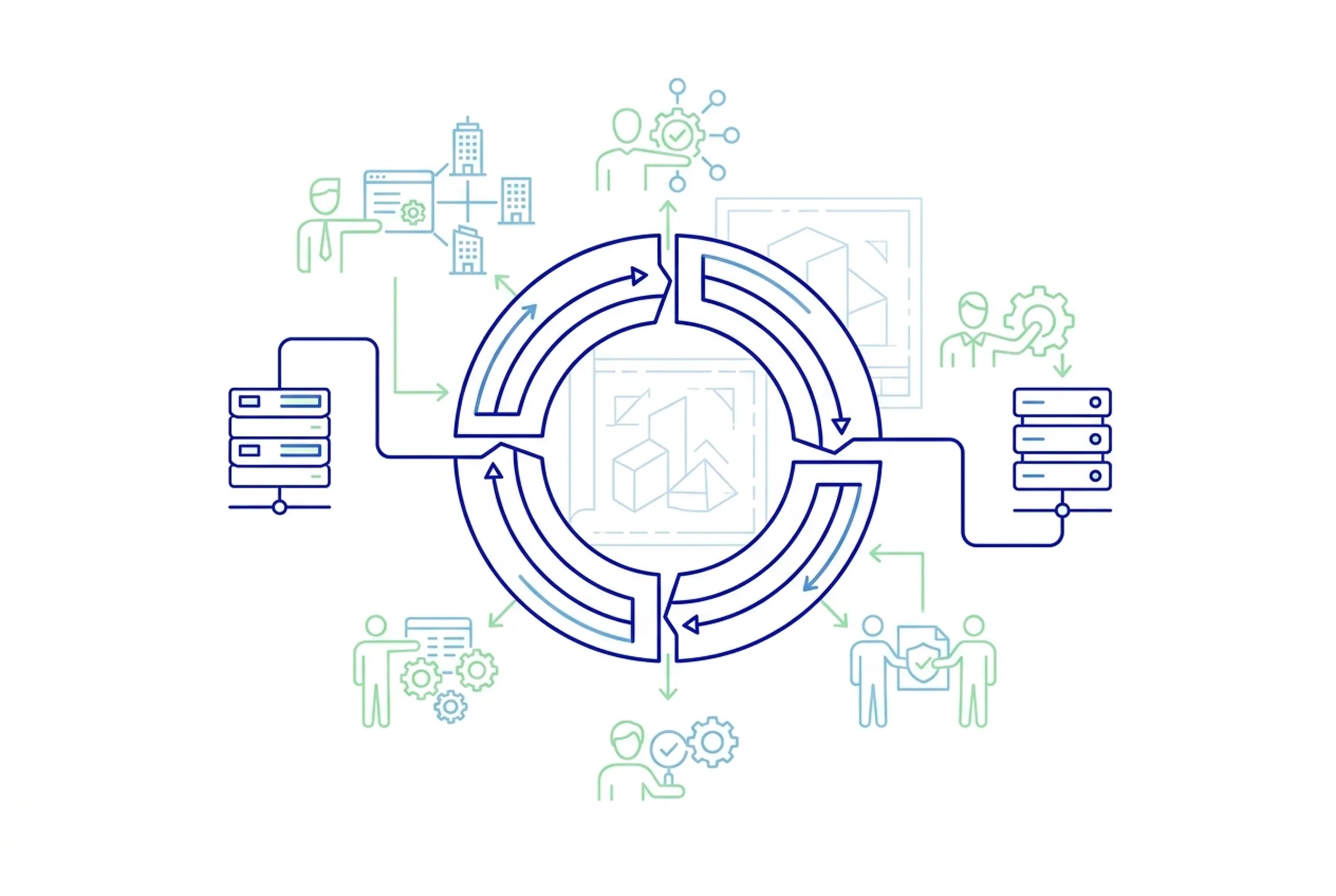
Four phases, each ending in a decision for the steering group.
Initiate
Setting direction- Goals and scope agreed with leadership
- A governance charter drafted
- A steering group formed from IT and service-line leads
Discover
Seeing the estate- Systems, repositories and file platforms inventoried
- Data flows mapped between project, finance and people systems
- Stakeholders interviewed across business units
Assess and prioritise
Deciding what matters first- Findings grouped into themes, each with its business impact
- Every system scored for its governance health
- Fixes scored for risk, value, effort, complexity and readiness
Design the framework
Making it workable- An enterprise data governance policy written
- Governance roles and an operating model defined
- A classification approach and a Copilot roadmap set out
Phase gates gave leadership a clear decision at the end of each phase. Inside each phase, policy was drafted, reviewed with the people who would use it, and refined, so the framework fitted how the firm actually works.
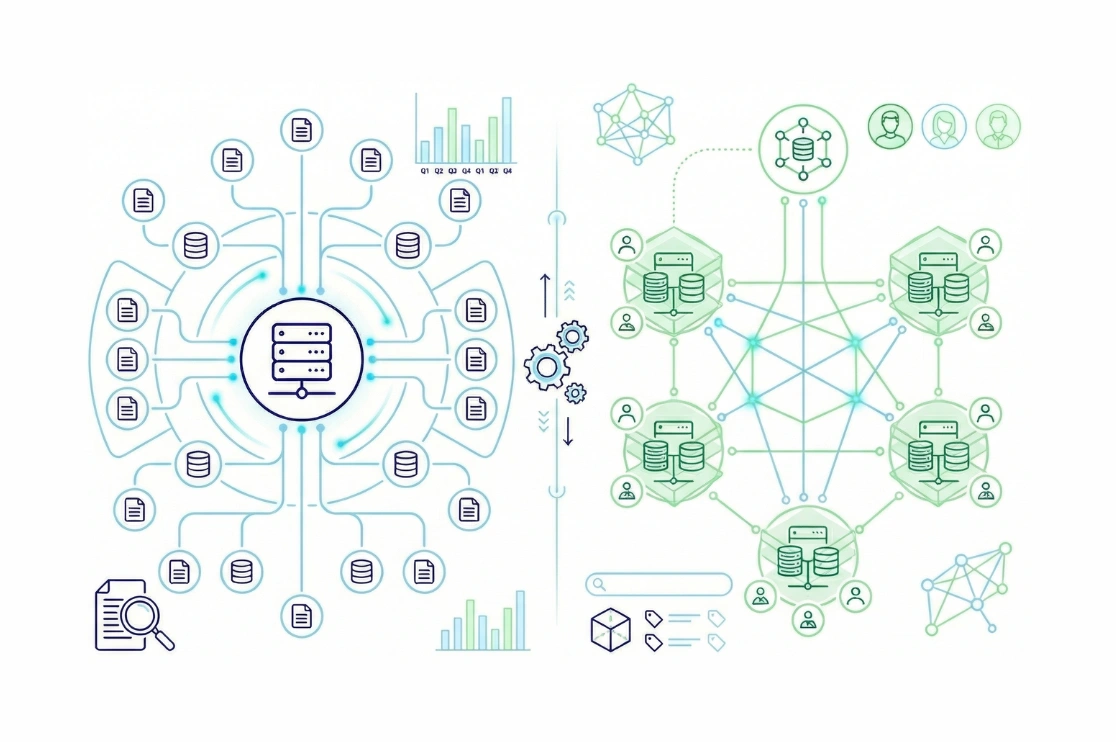
Where the firm started, and what it now has
What made the difference
The difference came from who did the work, and the order it was done in.
Governance work often starts with a tool and stalls. Here it started with understanding how the firm's information is really produced and used.
- People who know AEC informationThe discovery was run by people who understand drawings, models and project records, and how AEC teams share them.
- Governance before toolsAn earlier classification effort had stalled without a framework. This time the rules, roles and priorities came first.
- Decisions at every gateThe steering group signed off each phase, so leadership owned the direction.
- Built on what the firm already runsThe framework works with the platforms already in place, rather than replacing them.
About the client
- A mid-sized AEC firm working across architecture, engineering and construction service lines.
- Project information spread widely, across file platforms, legacy records systems and business applications.
- Preparing for Microsoft Copilot, and wanting a governance foundation that would hold as AI use grows.
- What BluEnt delivered: an information and data audit, prioritised findings, a governance policy and playbook, an enterprise data architecture and a Copilot readiness roadmap.
- Why BluEnt: AEC production and technology from the same firm since 2003, with consultant-led advice that is independent of any software vendor.
- Described without its name, at the client's request, with no figures that could identify it.
- Discovery before design
- Findings tied to evidence
- Fixes in the right order
- Built on the platforms already in place

Delivery model and security
Offices in the US, Canada, the UK, the Netherlands and India. How delivery works.
SOC 2 Type I and Type II attestations held. Security & SOC 2.
Related links
This engagement combined two services: an information and data audit, and governance framework design.
Insights
Perspectives from BluEnt on governance strategy.
 InsightCentralised, federated or hybrid governanceWhich governance model fits the organisation.Read the article
 InsightData governance for AI and advanced analyticsBuilding a governance foundation that works for AI.Read the article
 InsightData governance roles in AEC organisationsWho owns what, and how responsibilities are shared.Read the article
Questions AEC leaders ask

Why is the client not named?
The client asked to be described without its name. The page also leaves out any figures that could identify the firm.
Was Copilot already switched on?
No. The firm was preparing to adopt it, and wanted to know what Copilot would be able to read before switching it on.
What did the firm receive?
A governance policy, an operational playbook, an enterprise data architecture with a system catalogue, a prioritisation framework and a Copilot readiness roadmap.
Does a firm have to replace its platforms?
No. The framework is applied to the platforms already in use.
How could a similar firm start?
With a Project Data Walkthrough, at no charge: one conversation and one page naming specific problems and one next step.
"*" indicates required fields
Your information is used only to reply to this enquiry and is never shared outside BluEnt. Privacy policy
