




AI Governance & Data Handling
Teams are already pasting project information into AI tools. AI governance for construction sets the rules: which tools are allowed, which information can go into them, who checks the results, and how client data and design work stay protected.
- UsageA list of tools already in use
- ExposureThe information most at risk
- RulesRules teams can follow
- OwnershipClear owners for approvals
AI governance for construction at a glance
 Who
- leadership, IT and risk leads
 Inputs
- current AI use, contracts and policies
 Outputs
- written rules and a way to keep them current
 Who is responsible
- BluEnt drafts; the firm adopts
 Shape
- fixed scope

The problem, specifically
AI use spreads faster than policy.
Client contracts, confidentiality agreements and design ownership were written before these tools existed.
- AI already in daily usestaff use AI tools for emails, summaries and research, but there are no agreed rules. Written rules let teams keep using AI with confidence.
- A client questionnaire arrivesa client asks how the firm uses AI on its projects. Agreed rules mean the firm answers once, consistently, rather than project by project.
- Copilot is being licensedleadership wants to roll out Copilot, and IT needs to know what it may and may not reach. AI rules and data handling set the boundaries first.
What AI governance covers
The rules a firm needs before AI use grows further.
How the work runs
From the first look to a result the firm keeps.
See how AI is used today
BluEnt finds which AI tools teams already use, on which data, and for which tasks.
Identify the risks
BluEnt looks at what client information and design work could be exposed through those tools.
Write the rules
BluEnt drafts clear rules for AI use and data handling, written for design and construction work.
Put ownership in place
BluEnt agrees who approves new tools and uses, and how exceptions are handled.
What the firm receives
Named outputs, agreed in writing before the work begins.
Written for the people who will use the AI governance and data handling work, and kept by the firm when it ends ends.
What this does not cover
Legal advice; the firm's counsel signs off contract language. The rules are drafted for the firm. Legal sign-off stays with the firm's counsel.
Rules written for the firm, or a template
Where firms usually start with AI governance and data handling, and what changes once the work is done.
Who this is for
- Leaders whose teams already use AI tools often without agreed rules
- IT, compliance and risk leads who must protect client data and design work
- Firms answering client questionnaires about how AI is used on their projects

Delivery model and security
Offices in the US, Canada, the UK, the Netherlands and India. How delivery works.
SOC 2 Type I and Type II attestations held. Security & SOC 2.
Related links
Related services that often come next.
Insights
Perspectives from BluEnt on data governance.
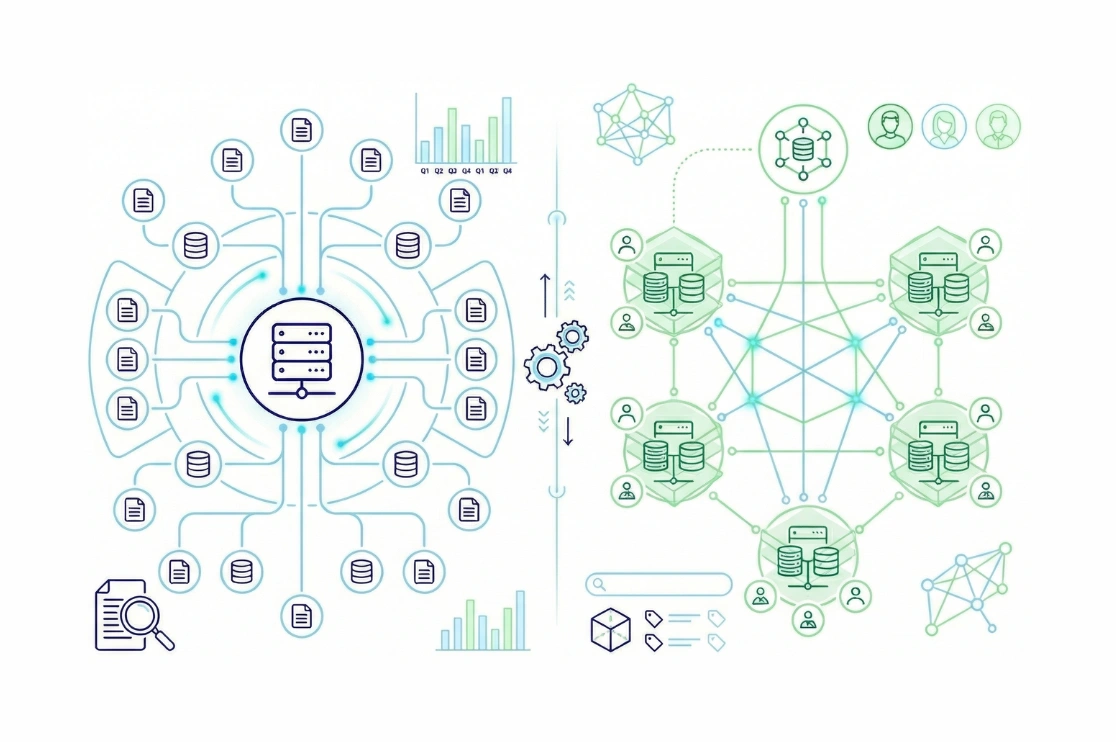 InsightCentralised, federated or hybrid governanceWhich governance model fits the organisation.Read the article
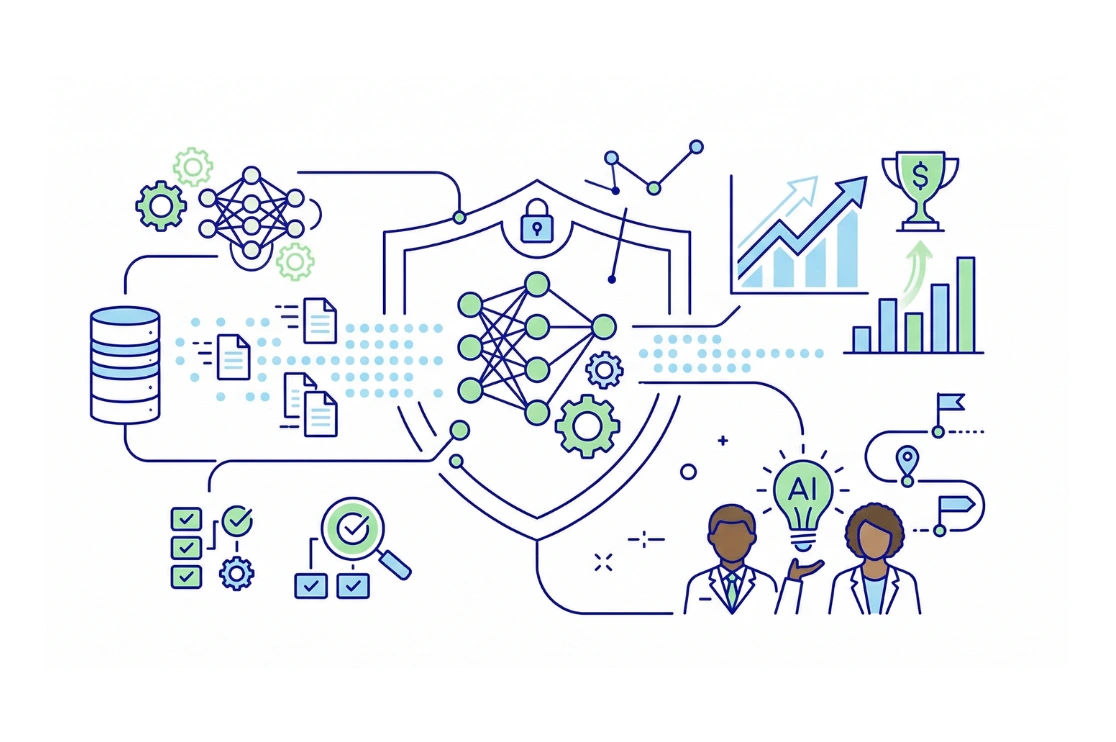 InsightData governance for AI and advanced analyticsBuilding a governance foundation that works for AI.Read the article
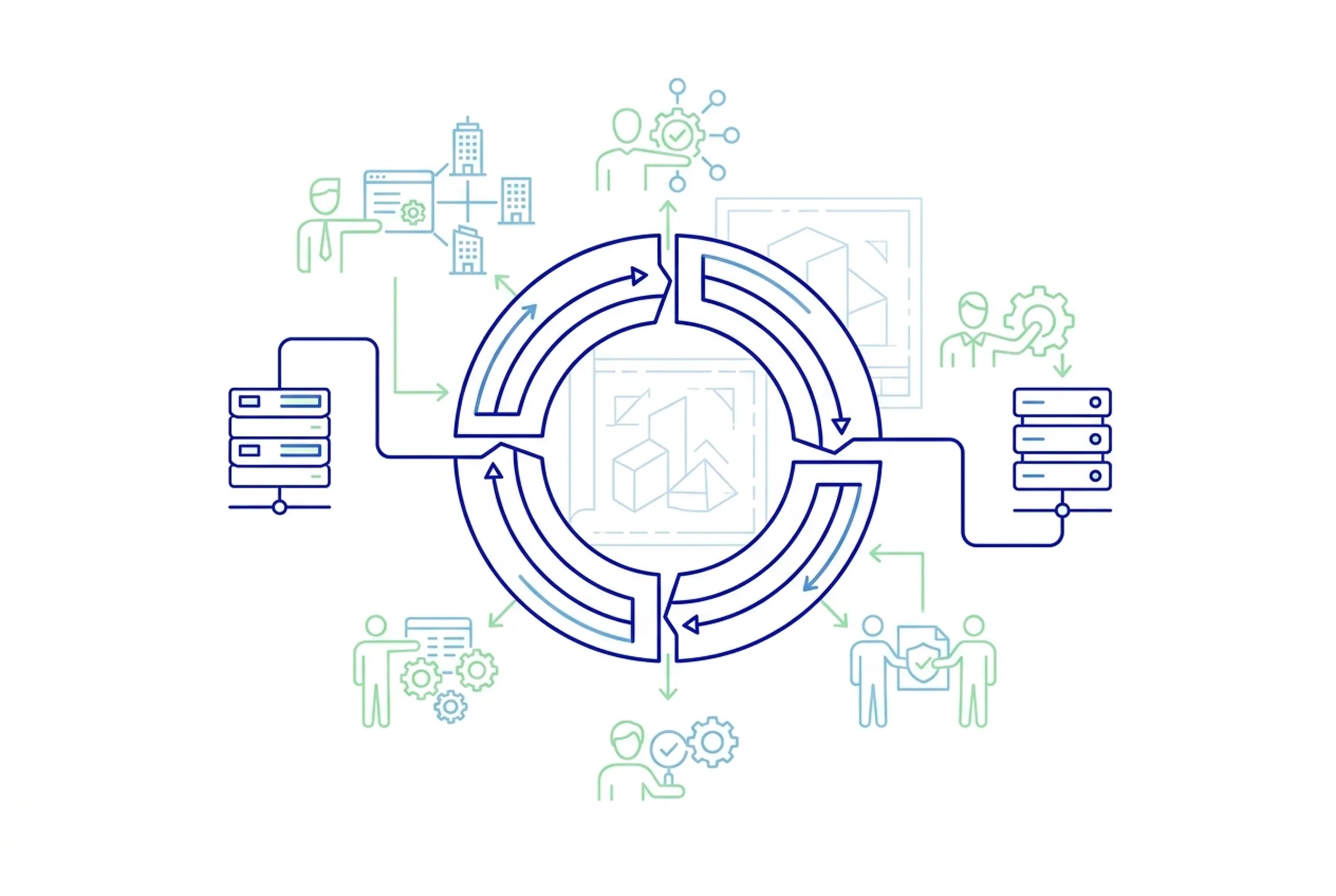 InsightData governance roles in AEC organisationsWho owns what, and how responsibilities are shared.Read the article
Questions about AI Governance & Data Handling

Is this legal advice?
No. The firm's counsel reviews contract and regulatory points.
Does it ban AI tools?
No. It sets which tools and uses are allowed, and how.
Who keeps it current?
A named owner at the firm, with a simple process for new tools.
Does this cover tools teams already use?
Yes. The work starts by finding the AI tools already in use, so the rules cover them.
Who signs off the final rules?
The firm does. BluEnt drafts them for design and construction work, and the firm's leadership and counsel approve them.
"*" indicates required fields
Your information is used only to reply to this enquiry and is never shared outside BluEnt. Privacy policy
