




Applied AI for AEC
AI for the construction industry works when it reads information that can be trusted. BluEnt applies AI to specific, repetitive document work, such as reading specifications or logging RFIs, once the project information behind it is organised.
- TaskOne task worth automating
- InformationDocuments ready to be read
- ToolA working tool, tested
- AdoptionA team using it day to day
AI for the construction industry at a glance
 Who it is for
- Firms ready to use AI on specific document work
 Inputs
- The documents behind the chosen task
 Outputs
- A working tool on the firm’s own documents, with guidance
 Who is responsible
- BluEnt builds and tests; the firm approves its use
 Engagement shape
- One task first, then extended

The problem, specifically
- Time lost searching specificationsproject teams spend time finding requirements across long documents. A search tool on current specifications helps them find answers faster.
- RFI and submittal backlogproject managers want quick summaries of open RFIs and submittals. A summary tool works from the current logs.
- Knowledge in old projectsteams know similar problems were solved before but can't find how. Archive search makes past project information easier to reach.
What it covers
What the work looks at, and where it usually applies.
Every boundary of the applied AI for AEC scope is confirmed in writing first.
- Specification search across current project documents
- Summaries of RFIs and submittals
- Search across past project archives
- Tools that work on the firm's own documents, within its AI rules
- Guidance for the teams using them
How the work runs
From the first look to a result the firm keeps.
Choose the use
BluEnt agrees one practical task with the firm, such as specification search or RFI summaries.
Check the information
BluEnt confirms the documents behind that task are current, organised and safe to use.
Build and test
BluEnt builds the tool on the firm's own documents and test it on real questions before teams use it.
Roll out with guidance
BluEnt introduces the tool to the team that will use it, within the firm's AI rules.
What the firm receives
Named outputs, agreed in writing before the work begins.
Written for the people who will use the applied AI for AEC work, and kept by the firm when it ends ends.
What this does not cover
General AI strategy or tool reselling. Where the information is not ready, the work starts with readiness, not AI.
Who this is for
- Firms with information in order ready to put AI to practical use
- Project and operations teams who spend time searching, summarising or checking documents
- Leaders wanting practical AI rather than experiments that never reach daily work

Delivery model and security
Offices in the US, Canada, the UK, the Netherlands and India. How delivery works.
SOC 2 Type I and Type II attestations held. Security & SOC 2.
Related links
Related services that often come next.
Insights
Perspectives from BluEnt on data governance.
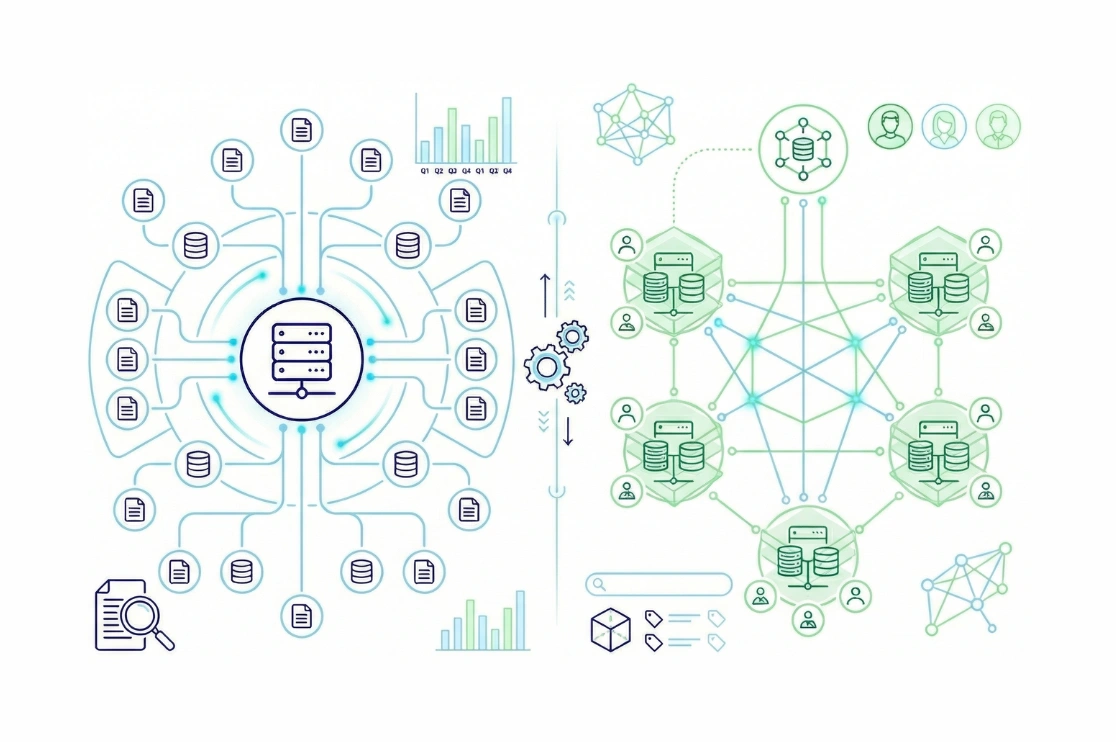 InsightCentralised, federated or hybrid governanceWhich governance model fits the organisation.Read the article
 InsightData governance for AI and advanced analyticsBuilding a governance foundation that works for AI.Read the article
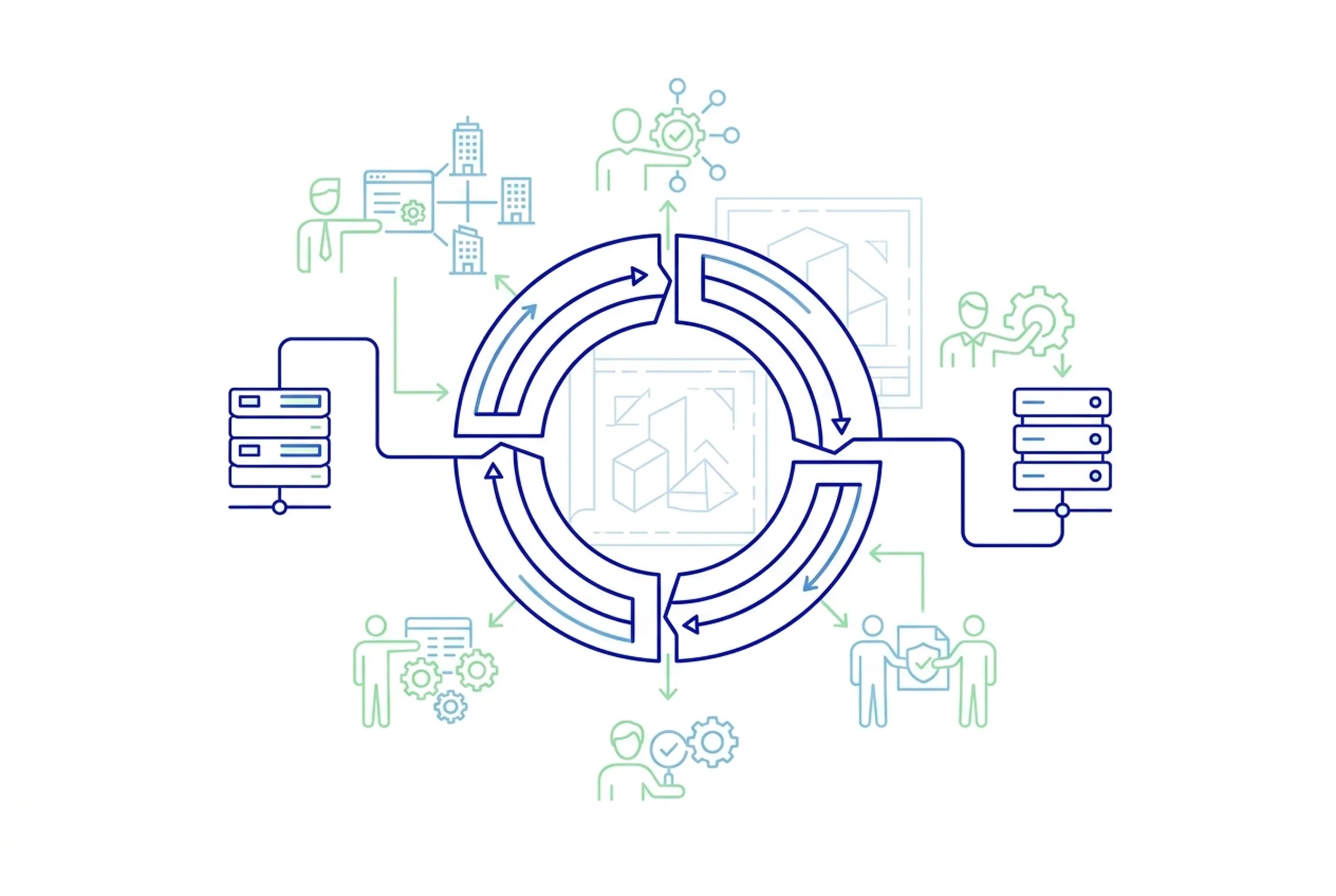 InsightData governance roles in AEC organisationsWho owns what, and how responsibilities are shared.Read the article
Questions about Applied AI for AEC

Can AI start straight away?
Only where the information is ready. Otherwise readiness comes first.
How is an AI tool judged a success?
By an accuracy measure agreed before the work starts.
Which AI tools are used?
The ones that fit the task and the firm's rules.
What if the information is not ready?
The work starts with readiness, through an assessment, before any AI is built.
Are the AI rules applied?
Yes. Every use follows the firm's AI governance rules.
Can the work start with one tool?
Yes. Most firms start with one task, then add more once it works well.
Does the AI see all of the firm's files?
No. It works only on the documents agreed for that task, within the firm's access rules.
"*" indicates required fields
Your information is used only to reply to this enquiry and is never shared outside BluEnt. Privacy policy
