




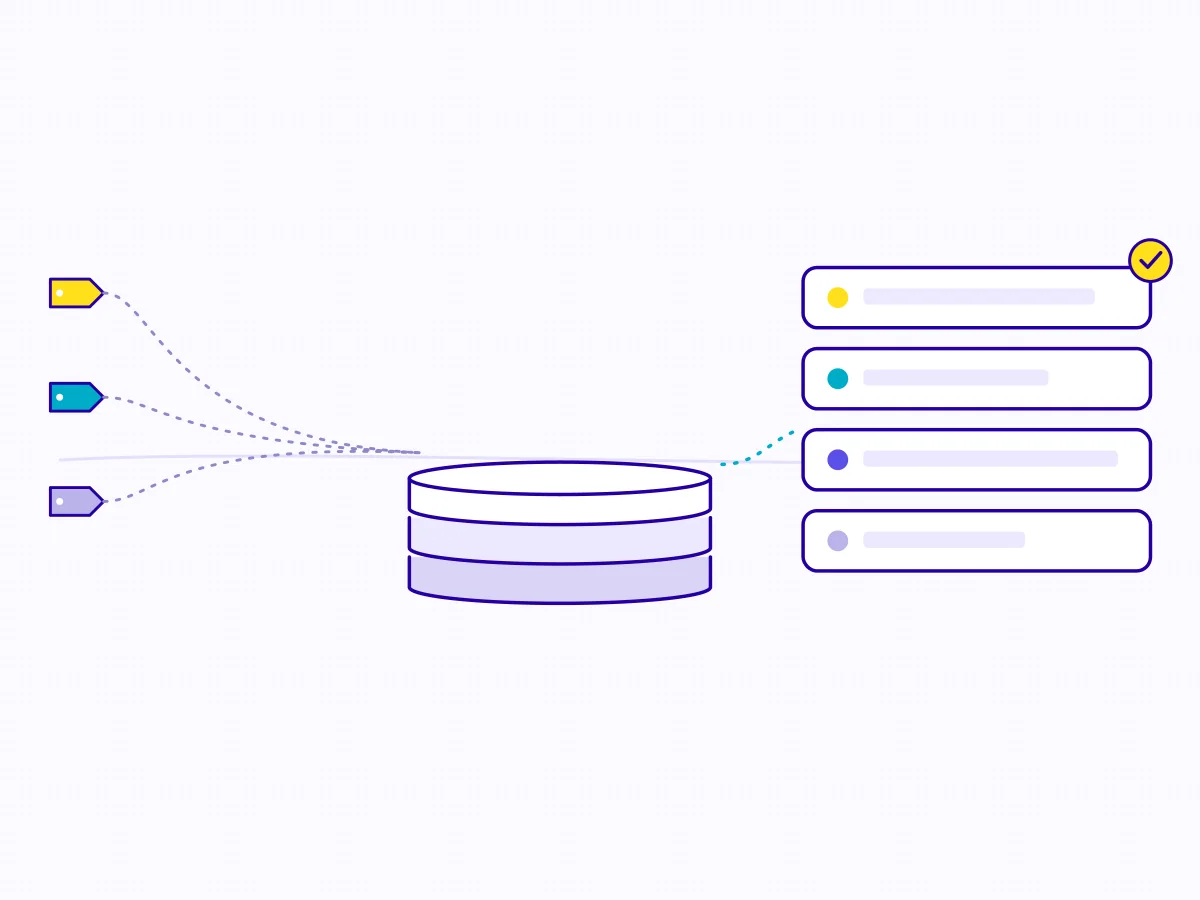
A construction data warehouse holds the data from every source system in one model.
Projects, cost codes, vendors and commitments are defined once, so a margin figure means the same thing in every report, and each figure can be traced back to its source.
At a glance
 What it covers
- A layered construction data model on the firm’s chosen platform
 Platforms
- Microsoft Fabric, Snowflake or Databricks, with AWS Glue and Athena where the firm runs on AWS
 Who is responsible
- BluEnt designs, builds and tests. The firm’s finance and project controls leads approve the definitions
 How it is scoped
- Built one source at a time, with named outputs agreed before work begins
 How it starts
- A Project Data Walkthrough, at no charge

Why reports disagree
Reports disagree when each one defines the business for itself.
One counts a job by its accounting number, another by its project number. One treats a change order as committed, another does not.
A warehouse settles those definitions once. Every report then reads the same answer, and any figure can be traced back to the system it came from.
One question, three answers
“What is committed on this job?”
| Finance report | Approved change orders only |
|---|---|
| Project report | Pending change orders included |
| Board pack | Last month’s export |
What a construction data warehouse models
Jobs, cost codes, vendors and periods, modelled once and shared by every report.
| Entity | What is defined once |
|---|---|
| Project | One identity across accounting, project management and scheduling |
| Cost code | One structure, mapped from each system’s own codes |
| Vendor | One record per vendor, without duplicates |
| Commitment and change order | One version of what is committed, and when it changed |
| Schedule activity | Linked to the cost it drives |
Built in layers, each checked against the one before
Scopes in this service line
Smaller Construction data warehouse and modelling pieces, each with its own page, inputs and outputs.
Single-Source Pipeline Build
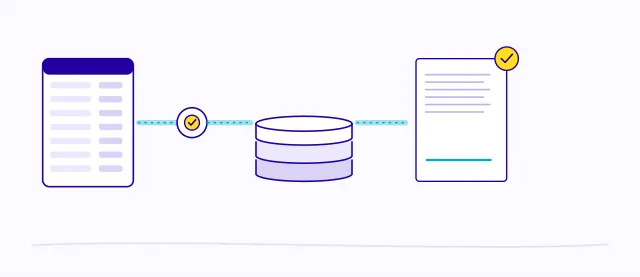
One source system connected, modelled and reconciled end to end, as the first reliable piece of the platform.
- Extraction
- Model
- Reconciliation
Project & Vendor Master Data
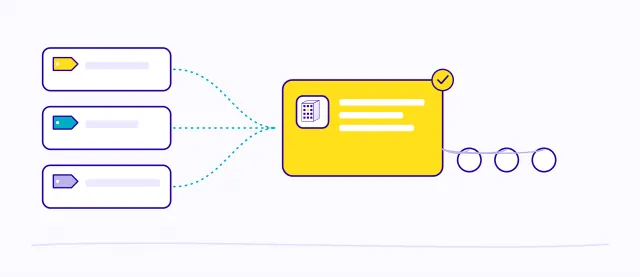
One governed record for every project and vendor, matched across the accounting, project and scheduling systems.
- Master records
- Matching rules
- Stewardship
Historical Backload & Archive Rationalisation
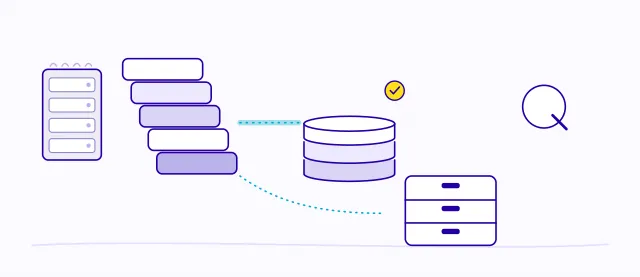
Years of history loaded and checked, and old systems retired with a searchable archive.
- Backload
- Archive
- System retirement
Who this is for
The roles who need one set of definitions behind every report.
CFO or VP Finance
Does margin mean the same thing in every report, and can each figure be traced?
For CFOs & Finance LeadersCIO
Which platform holds the model, and who maintains it?
For CIOs & IT DirectorsDirector of Project Controls
Are commitments and change orders counted the same way everywhere?
For Directors of Project ControlsHow the work runs
The warehouse grows one source system at a time, starting with the one finance relies on most.
Agree the definitions
Projects, cost codes, vendors and commitments are defined with finance and project controls, who approve each one.
Build the first source
The source finance relies on most is extracted, checked and modelled first.
Reconcile
The model’s totals are compared with the source’s own reports until they agree, and finance signs that off.
Add the next source
Each further source joins the same model, following the same pattern and the same checks.

Each report for itself, or one model for every report
How a project is identified
Each report for itself: A different number in each report
One model for every report: One identity everywhere
What “committed” means
Each report for itself: Decided by whoever built the report
One model for every report: Defined once, and approved
Where a figure came from
Each report for itself: Hard to say
One model for every report: Traced back to its source
Adding a new report
Each report for itself: Rebuilt from scratch
One model for every report: Built on the same model
Delivered outside construction, on the same platforms
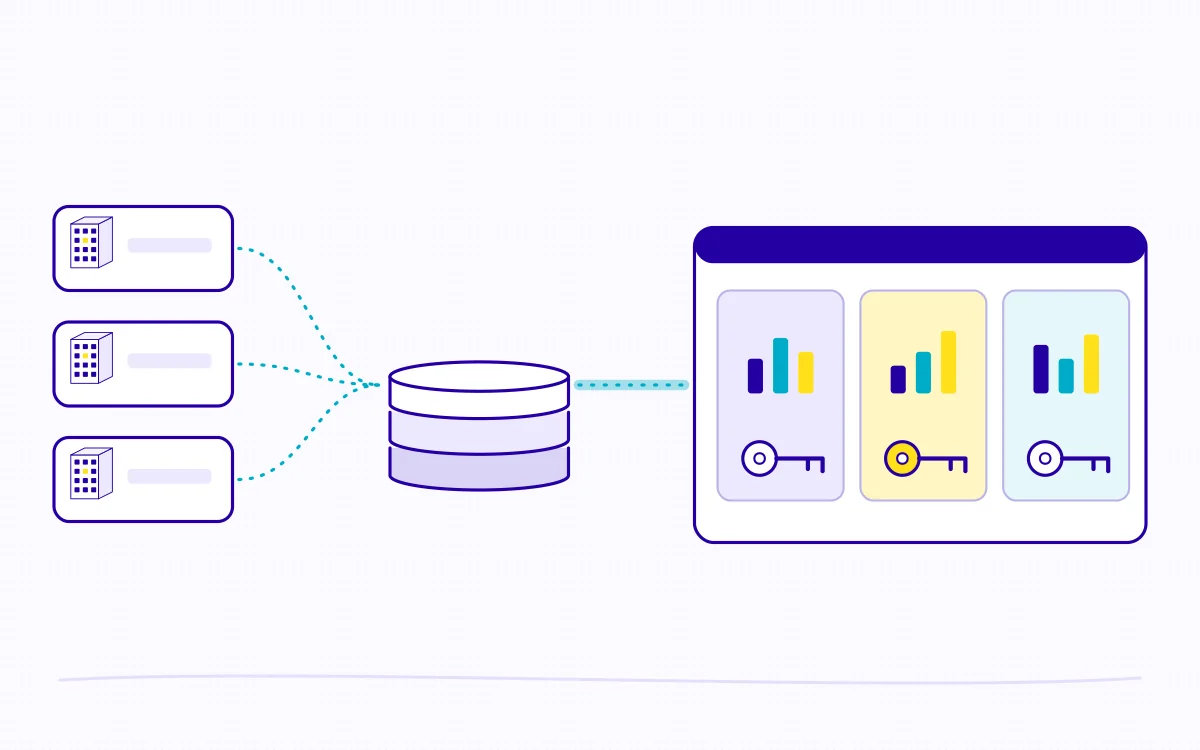
For a multi-entity business, BluEnt consolidated data from several operating systems into one model, reconciled partner revenue-share, and built an external reporting portal with access scoped to each partner. The same platforms and modelling discipline are applied to construction data.
What this does not cover
- The model works with the source systems already in place, rather than replacing them.
- Dashboards are always built on the data model, never on their own.
Drawing and model production are delivered through bluentcad.com, not through this service.

Delivery model and security
Offices in the US, Canada, the UK, the Netherlands and India. How delivery works.
SOC 2 Type I and Type II attestations held. Security & SOC 2.
Questions AEC professionals ask

Which platform is best?
The one that fits the firm’s existing estate and skills. Microsoft Fabric, Snowflake and Databricks are all supported, and the choice is agreed before any build.
Naming a product describes the work; it is not a partnership claim.
Does everything need to be built at once?
No. The warehouse grows one source system at a time, starting with the one that matters most to finance.
Who owns the definitions?
The firm does. Finance and project controls approve each definition, so the model reflects how the business actually runs.
Can a figure in a report be traced to its source?
Yes. Each layer can be checked against the one before it, back to the raw extract from the source system.
What happens when the business changes a definition?
The definition is changed once in the model, with the owner’s approval, and every report reads the new version.
How does a construction data warehouse and modelling engagement start?
With a Project Data Walkthrough, at no charge: one page naming the specific problems found, and one named next step.
"*" indicates required fields
Your information is used only to reply to this enquiry and is never shared outside BluEnt. Privacy policy
