




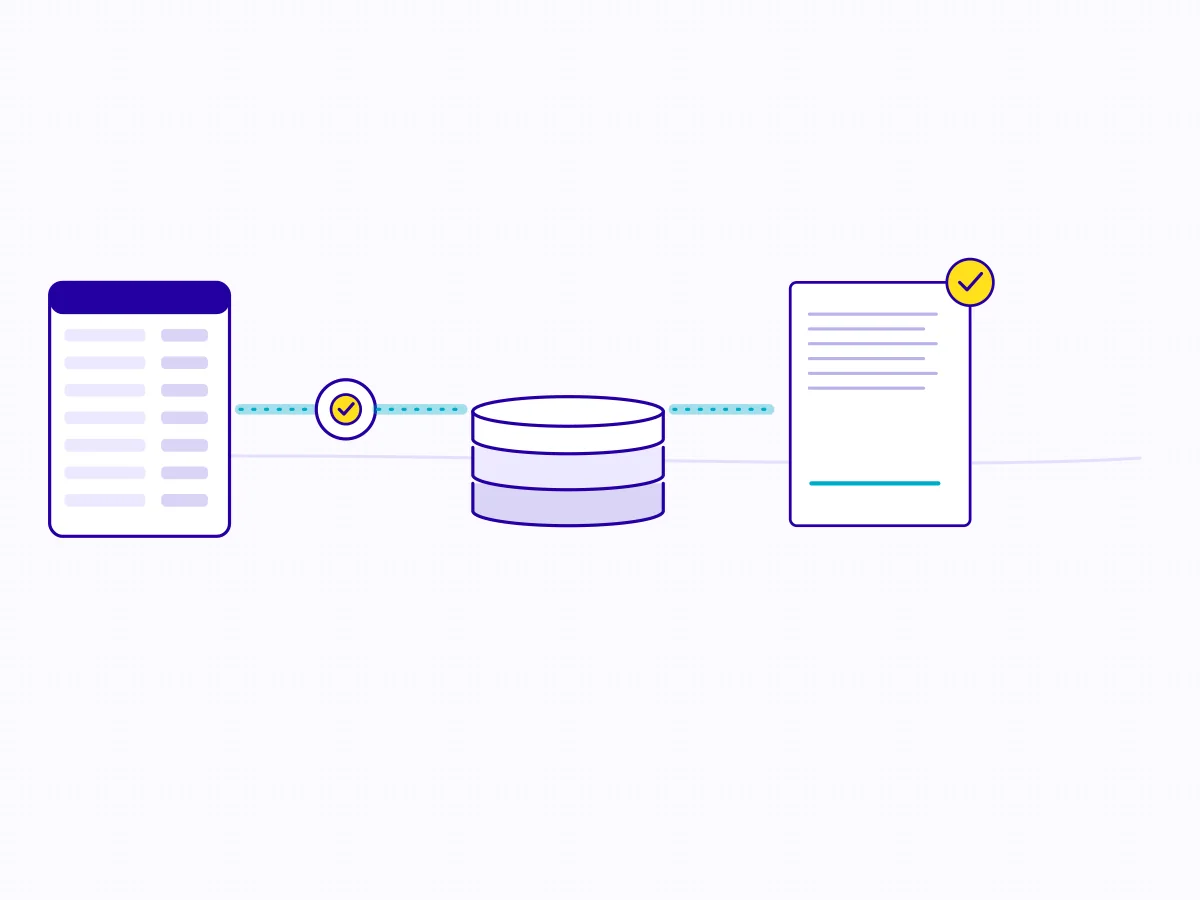
A construction data pipeline build takes one source system, usually the one finance relies on most, and carries its data all the way through: extracted, checked, modelled and reconciled against the source.
It proves the approach on one system before any other is added.
At a glance
 Inputs
- Access to one source system, its trusted reports, and the people who rely on them
 Outputs
- A running pipeline, a data model, a reconciliation report, documentation and a runbook
 Who is responsible
- BluEnt builds and tests. The firm’s finance lead signs off the reconciliation
 Engagement shape
- A fixed-scope build with named outputs, agreed in writing before work begins
 How it starts
- A Project Data Walkthrough, at no charge

Why start with one source
One reliable source is worth more than several unreliable ones.
Starting with one system keeps the scope clear and gives finance a result it can check.
Connecting several systems at once multiplies every mismatch and hides where each one started. One source, reconciled properly, sets the pattern every later source follows.
Several at once, or one first
What each approach leaves the firm with
| Several sources at once | Mismatches that cannot be traced |
|---|---|
| One source first | A result finance can check |
| The next source | Joins a pattern that already works |
What a construction data pipeline build delivers
One source system connected, reconciled and ready for reporting.
| Output | What it does |
|---|---|
| Extraction | Data read from the source on a schedule |
| Checks | Every load compared with the source before it is accepted |
| Model | The source’s projects, cost codes and commitments, defined in the warehouse |
| Reconciliation report | Shows the model agrees with the source’s own reports |
| Documentation and runbook | So the firm’s team can run and extend it |
One source, end to end
Who this is for
The roles who need one trusted source before anything else is connected.
CFO or VP Finance
Does the model agree with the accounting system’s own reports, and is that signed off?
For CFOs & Finance LeadersCIO
Can the pipeline be run and extended by the firm’s own team?
For CIOs & IT DirectorsDirector of Project Controls
When can reporting start on data that has been reconciled?
For Directors of Project ControlsHow the work runs
From one chosen source to a reconciled pipeline the next sources can join.
Choose the source
The source, and the reports finance trusts, are chosen with finance.
Build
The extraction and its checks are built by BluEnt.
Model
The source’s data is modelled in the warehouse by BluEnt.
Reconcile
The model is reconciled against the trusted reports, with finance, until they agree.
Hand over
The pipeline is handed over with documentation and a runbook.

Everything at once, or one source done properly
Scope
Everything at once: Hard to define
One source done properly: Clear and fixed
When a figure is wrong
Everything at once: Hard to trace
One source done properly: Traced to one source
What finance can check
Everything at once: Little, until the end
One source done properly: A reconciliation it signs off
The next source
Everything at once: Another start from scratch
One source done properly: Joins the same pattern
Delivered outside construction, on the same platforms
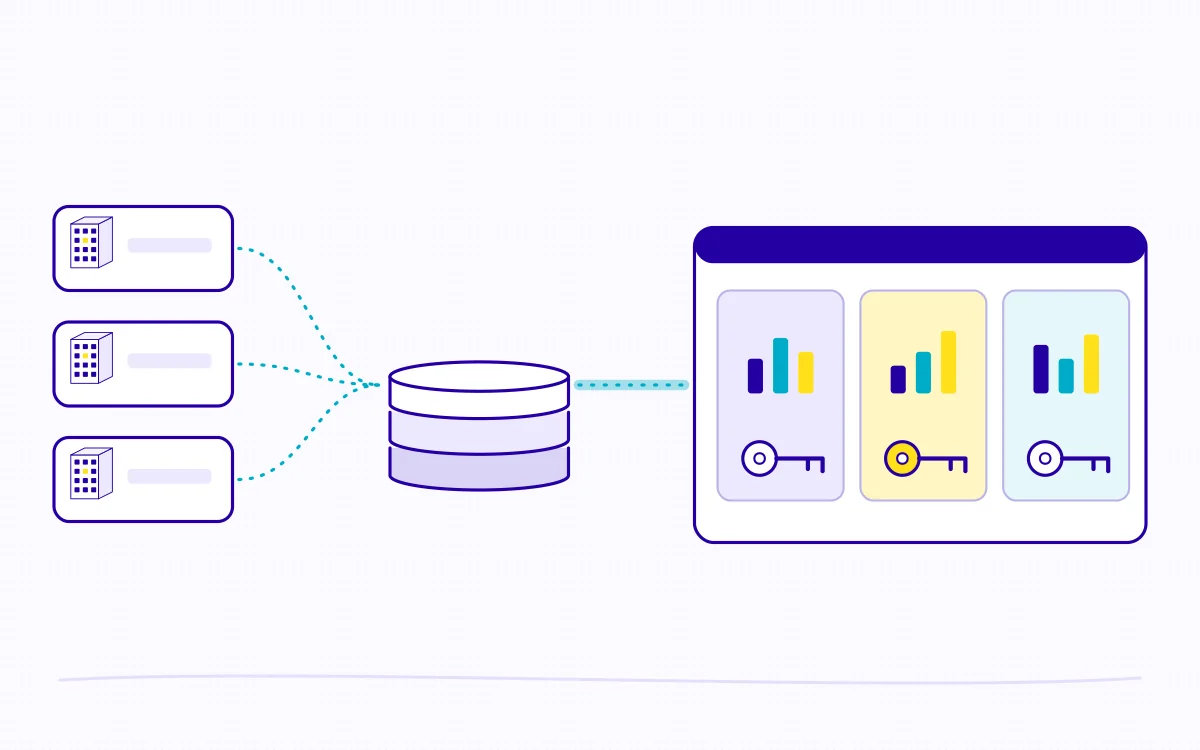
For a multi-entity business, BluEnt consolidated data from several operating systems into one model, reconciled partner revenue-share, and built an external reporting portal with access scoped to each partner. The same pipeline and reconciliation discipline is applied to construction data.
What this does not cover
- Connecting several source systems into one model at once is not part of this scope.
- Reporting is built afterwards, on the reconciled data, not as part of the pipeline.
Drawing and model production are delivered through bluentcad.com, not through this service.

Delivery model and security
Offices in the US, Canada, the UK, the Netherlands and India. How delivery works.
SOC 2 Type I and Type II attestations held. Security & SOC 2.
Questions AEC professionals ask

Which source should be first?
The one finance relies on most, usually the accounting system. The choice is made with finance before any build.
How is “correct” proven?
By reconciliation: the model’s totals are compared with the source system’s own reports until they agree, and finance signs that off.
What comes after the first source?
The next source follows the same pattern, joined to the model the first one created.
Is reporting included?
No. Reporting is built afterwards, on the reconciled data, so it starts from figures finance has already signed off.
Can the firm’s own team run it?
Yes. The pipeline is handed over with documentation and a runbook.
What is the first step in single-source pipeline build?
With a Project Data Walkthrough, at no charge: one page naming the specific problems found, and one named next step.
"*" indicates required fields
Your information is used only to reply to this enquiry and is never shared outside BluEnt. Privacy policy
