




Assessment & Diagnostics
A construction data assessment looks at where a firm's project information lives, how good it is, and how it moves between teams. It ends with a clear order of fixes and a scoped plan for the first one, inside the report rather than after it.
- ScopeA clear boundary for the work
- VoicesFirst-hand accounts from the people involved
- EvidenceA factual picture of the estate
- ScoreA benchmark to measure progress against
Construction data assessment at a glance
 Who it is for
- Operations, IT and information leads
 Inputs
- Access to systems and repositories; interviews with key staff
 Outputs
- An inventory, a quality picture, a maturity score and a prioritised plan
 Who is responsible
- BluEnt runs the assessment; the firm provides access and people
 Engagement shape
- Fixed scope, agreed in writing

The problem, specifically
Most firms know their information is messy, but not where, how badly, or what to fix first.
Without that picture, every improvement competes for attention and nothing gets finished.
- Information is messy, but nobody knows whereteams lose time searching, yet no one can say which systems or projects are worst.
- A tool or AI purchase is on the tableleadership wants evidence of what needs fixing before committing budget.
- Every improvement stallsclean-up starts, competes with project work and never finishes, because there is no agreed order.
What a construction data assessment delivers
Each output answers one question about the firm's information.
Each assessment is scoped to the systems and workflows that matter most.
How the work runs
From access to a plan the firm can act on.
Agree scope:
the systems, repositories and workflows to cover.
Interview:
the people who create and use project information.
Inventory and sample:
what exists, and how good it is.
Score:
maturity against a defined model.
Plan:
the order of fixes, with the first one scoped.
What the firm receives
Named outputs, agreed in writing before the work begins.
Written for the people who will use the assessment and diagnostics work, and kept by the firm when it ends ends.
an information and data audit and governance framework for a mid-sized AEC firm preparing for Microsoft Copilot.
Read the case study →What this does not cover
Fixing the problems found; that is scoped as the next piece of work. Legal or regulatory compliance opinions. The assessment shows what to fix. The fixing is agreed separately.
Who this is for
- Principals and operations directors who want an honest picture before investing in tools or AI
- IT and information managers who need evidence to prioritise clean-up and access changes
- Firms planning Copilot or AI search that need to know what an AI tool would be able to read

Delivery model and security
Offices in the US, Canada, the UK, the Netherlands and India. How delivery works.
SOC 2 Type I and Type II attestations held. Security & SOC 2.
Related links
The assessment usually leads to standards, structure or connected information. See Standards & Classification and the Information Hub.
Insights
Perspectives from BluEnt on data governance.
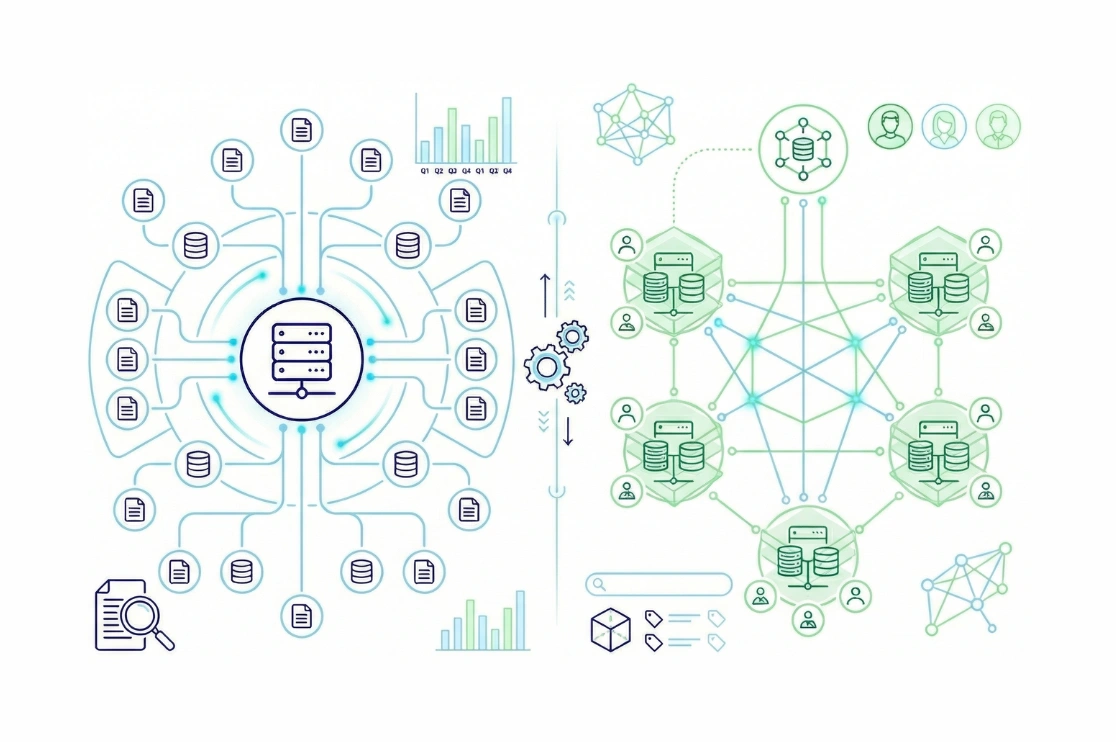 InsightCentralised, federated or hybrid governanceWhich governance model fits the organisation.Read the article
 InsightData governance for AI and advanced analyticsBuilding a governance foundation that works for AI.Read the article
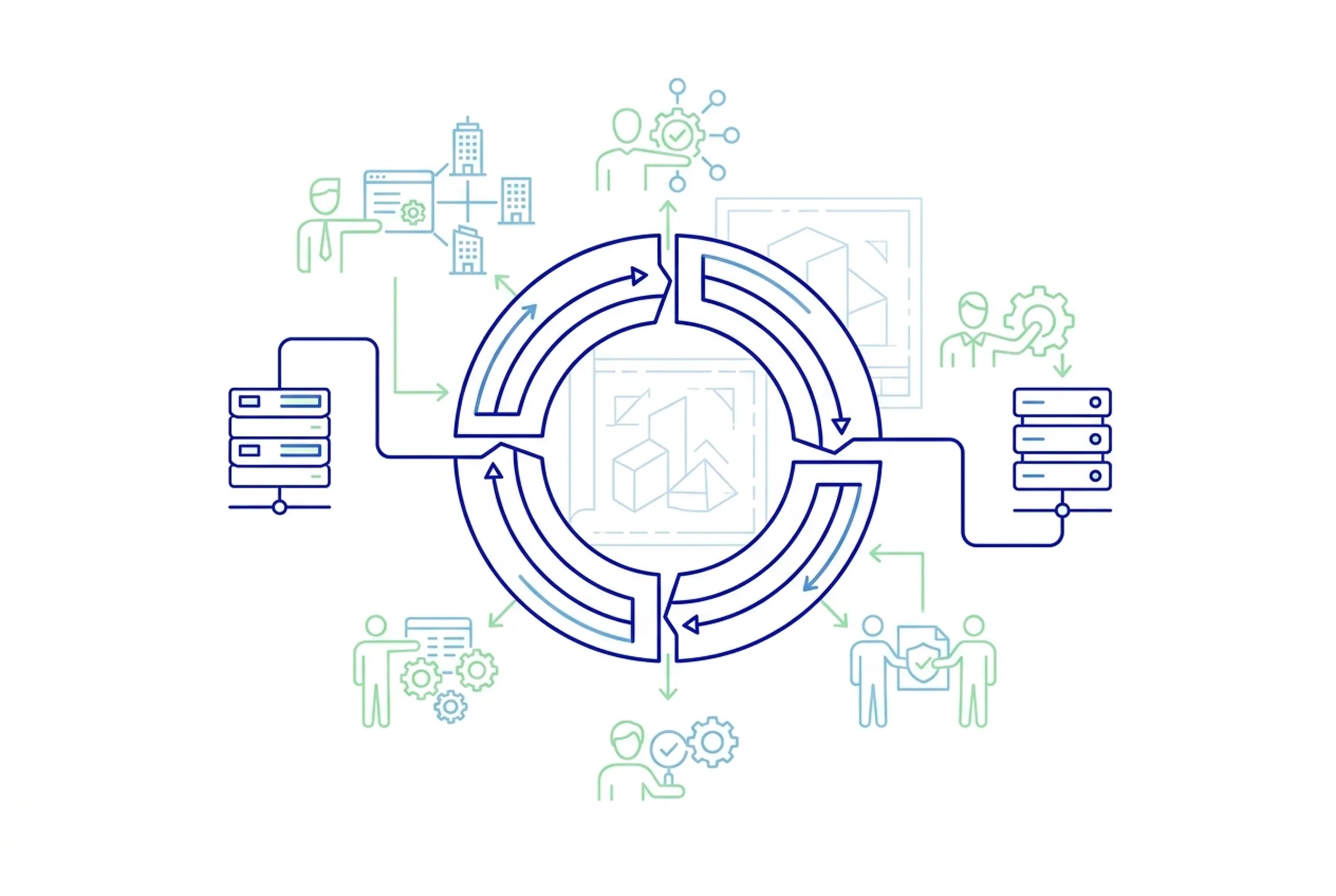 InsightData governance roles in AEC organisationsWho owns what, and how responsibilities are shared.Read the article
Questions about Assessment & Diagnostics

How is this different from the Walkthrough?
The Walkthrough is one conversation and one page. The assessment looks across systems, samples quality and ends with a scoped plan.
Which systems does it cover?
The ones agreed at the start: drives, document platforms, project-management systems and the handoffs between them.
What does the firm provide for the assessment?
Access to systems and time with the people who use them.
What happens after?
The report includes a scoped first piece of work. Whether to go ahead is the firm's decision.
Is this the same as an IT audit?
No. It looks at the information itself: where it lives, how good it is and how it is shared, not only the systems.
Does the firm have to act on every finding?
No. Findings are prioritised, so the firm can start with what matters most.
"*" indicates required fields
Your information is used only to reply to this enquiry and is never shared outside BluEnt. Privacy policy
