




Data governance for enterprises in any industry, with AEC as a specialism.
AI runs on governed data, and ungoverned data is now one of the biggest blockers to enterprise AI.
BluEnt operationalises data governance across every domain: enforceable policies, clear ownership and audit-ready evidence, so data stays compliant today and ready for AI tomorrow. Trusted by WellSky and clients across multiple industry verticals, with more than two decades of enterprise delivery.
Delivered: an information and data audit and governance framework for a mid-sized AEC firm preparing for Microsoft Copilot. Read the case study →
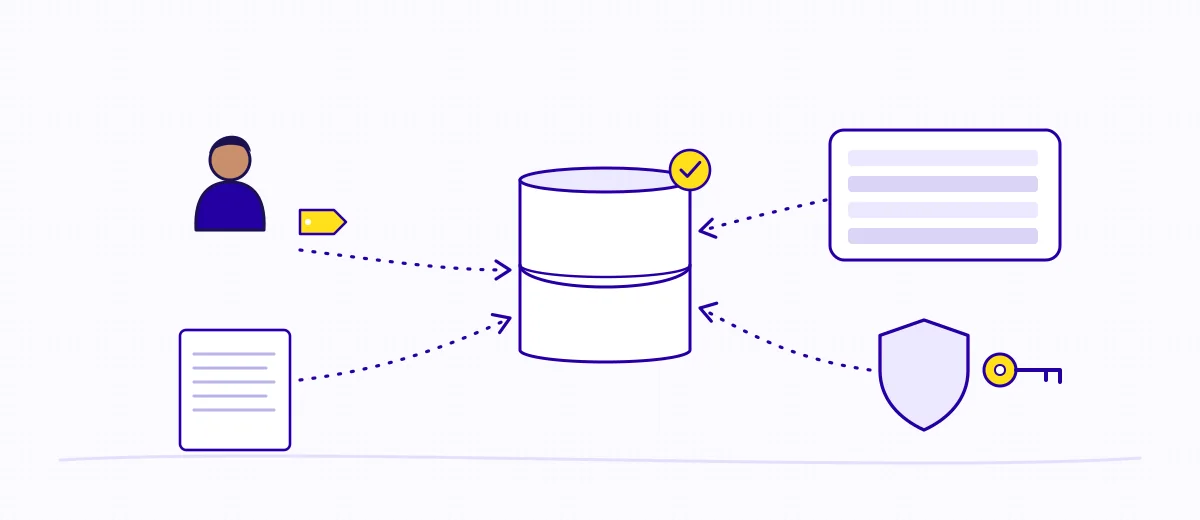
At a glance
 What it covers
- Governance strategy, catalogue and lineage, data quality, operating models, adoption and AI governance
 Framework
- Five control layers, aligned with DAMA-DMBOK: assess, define, enforce, monitor and scale
 Regulations
- GDPR, HIPAA, CCPA, SOX, BCBS 239 and the EU AI Act, built into the rules
 Delivery
- SOC 2 Type I and Type II attestations held, vendor-neutral, and embedded in the systems teams already use
 How it starts
- A Free Governance Assessment: a 30-minute call, no RFP and no commitment

Without governance, AI inherits the risk
Ungoverned data is a liability, and every AI project built on it inherits that liability.
Audits turn into fire drills, AI projects stall on bad data, and nobody owns the data end to end.
Policies live in documents and spreadsheets rather than in systems, so they cannot be enforced. What works for one business unit breaks across clouds, regions and local regulations, and unclassified personal and health data spreads across systems long before an audit forces the issue.
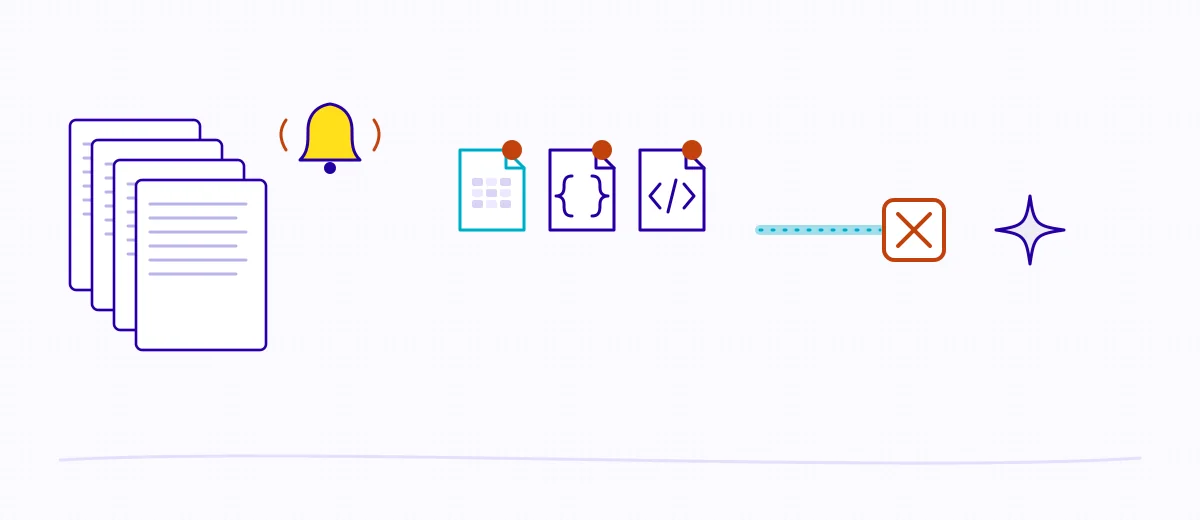
Everything a governance programme needs, in one partner
Start with the area carrying the most risk, or run every service as one connected programme.
| Service | What it delivers |
|---|---|
| Governance Strategy & Readiness | A structured assessment of the data landscape, quality and regulatory exposure, turned into a prioritised roadmap |
| Data Catalog, Lineage & Metadata | A living map of every dataset, its origin and its movement, so teams know what they can trust and reuse |
| Data Quality & Trust Engineering | Continuous validation and monitoring that catch quality issues at the source, before they reach a decision |
| Governance Operating Models | A federated model with clear roles, decision rights and councils, consistent across business units and regions |
| Data Adoption Culture | Enablement, data literacy and governance champions, so stewards and teams actually use the programme |
| AI Governance, Privacy & Compliance | Model risk, privacy-by-design and automated detection of personal and health data, from design to deployment |
| Automated classification | AI scans and tags sensitive and regulated data across sources, so coverage lands in weeks rather than quarters |
| Anomaly and quality detection | Machine learning flags quality issues and drift before they reach reports, models or the board |
| Catalogue automation | Generative AI documents datasets and keeps the business glossary current without manual upkeep |
| Policy-as-code enforcement | Governance rules run inside pipelines, stopping non-compliant data at the point it moves |
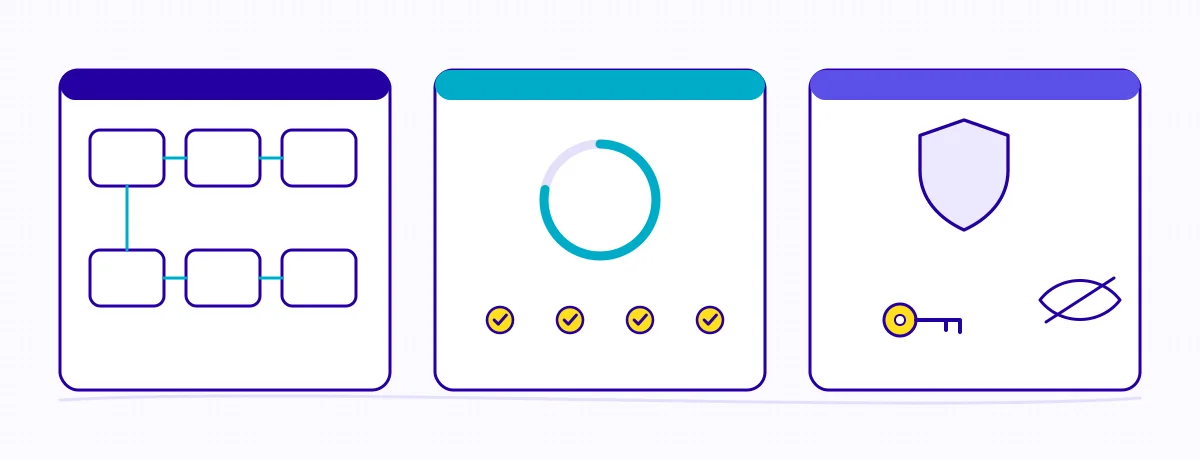
Five control layers
Governance built into the platforms, workflows and pipelines teams already use, not a policy binder no one opens.
Assess
The data landscape, quality gaps and regulatory exposure are mapped into a fact-based baseline and a risk-ranked findings report.
Define
Ownership, a shared business glossary and sensitivity classification are set, so policies can be enforced rather than filed away.
Enforce
Policy-as-code and validation at ingestion catch non-compliant data before it moves downstream, with automated remediation workflows.
Monitor
Quality scorecards, drift detection and audit trails track compliance in real time, with board-ready dashboards.
Scale
Proven controls extend into a federated model across business units, clouds and regions, with regional policy variations.

Governance on paper, or governance in practice
Where policies live
Governance on paper: In documents and spreadsheets
Governance in practice: As code inside the data pipelines
How audit evidence is produced
Governance on paper: Weeks of manual gathering
Governance in practice: On demand, from the systems
Who owns the data
Governance on paper: Unclear, and different by team
Governance in practice: Named owners with agreed decision rights
How sensitive data is found
Governance on paper: After an incident or audit
Governance in practice: Classified automatically, across every source
Outcomes, not just a governance framework
Audit-ready evidence on demand for GDPR, HIPAA, SOX and BCBS 239; clean, classified, lineage-tracked data AI can trust; stewardship automated so the governance team spends its time on decisions; one version of the truth across CRM, ERP, finance and analytics; and enterprise-wide standards that still allow regional policy variation. Governance is tuned to each industry’s regulations, from regulatory compliance in financial services and healthcare to project and asset data in AEC.
Real programmes, enterprise scale
- A large enterprise: analytics and AI could not launch because regulated data lacked ownership, classification and compliance controls. BluEnt ran a maturity assessment, embedded AI-driven classification and policy-as-code, and stood up quality scorecards, creating audit-ready data foundations and a clear path to AI.
- WellSky (healthcare): integration, analytics and dashboards on governed data.
Governance teams actually follow, not a policy that sits on a shared drive.

Delivery model and security
Offices in the US, Canada, the UK, the Netherlands and India. How delivery works.
SOC 2 Type I and Type II attestations held. Security & SOC 2.
Related links
Governance is the foundation for analytics and AI. For AEC project information, such as models, drawings and document estates, the Information Governance & AI-Readiness pages cover the same discipline in construction terms.
Insights
Perspectives from BluEnt on making data governance work in practice.
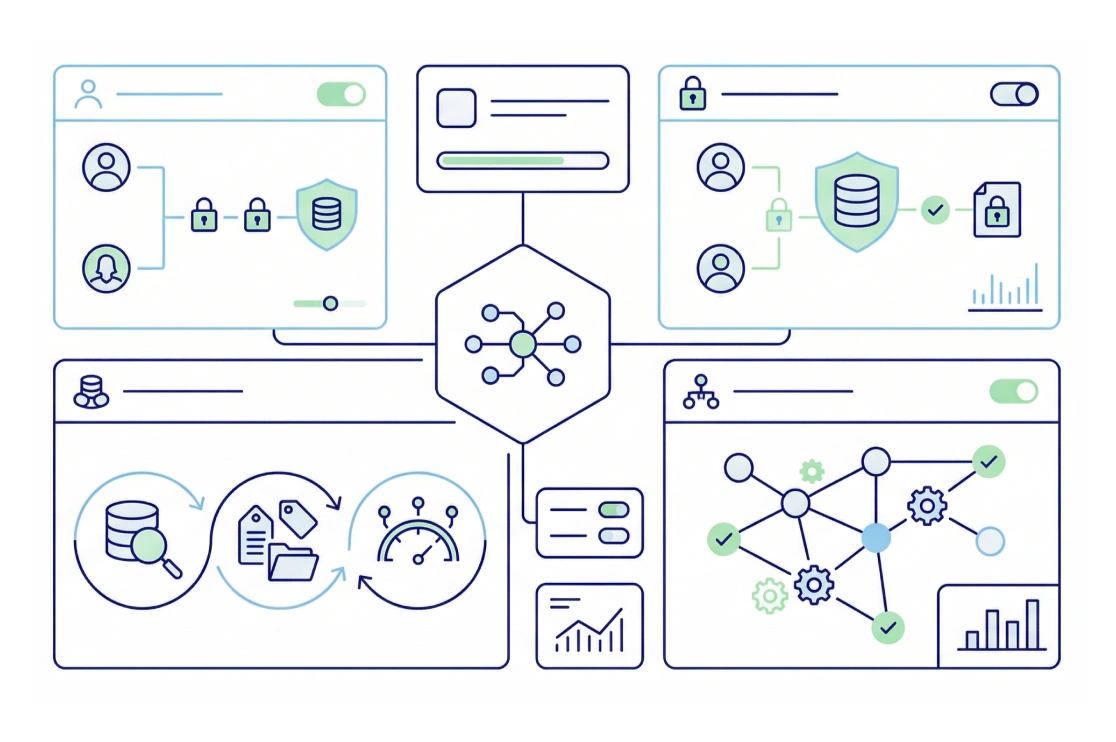 InsightBuilding an enterprise data governance frameworkThe components every enterprise framework needs, and how they fit together.Read the article
 InsightTurning governance strategy into practiceWhy governance stalls between strategy and execution, and how to close the gap.Read the article
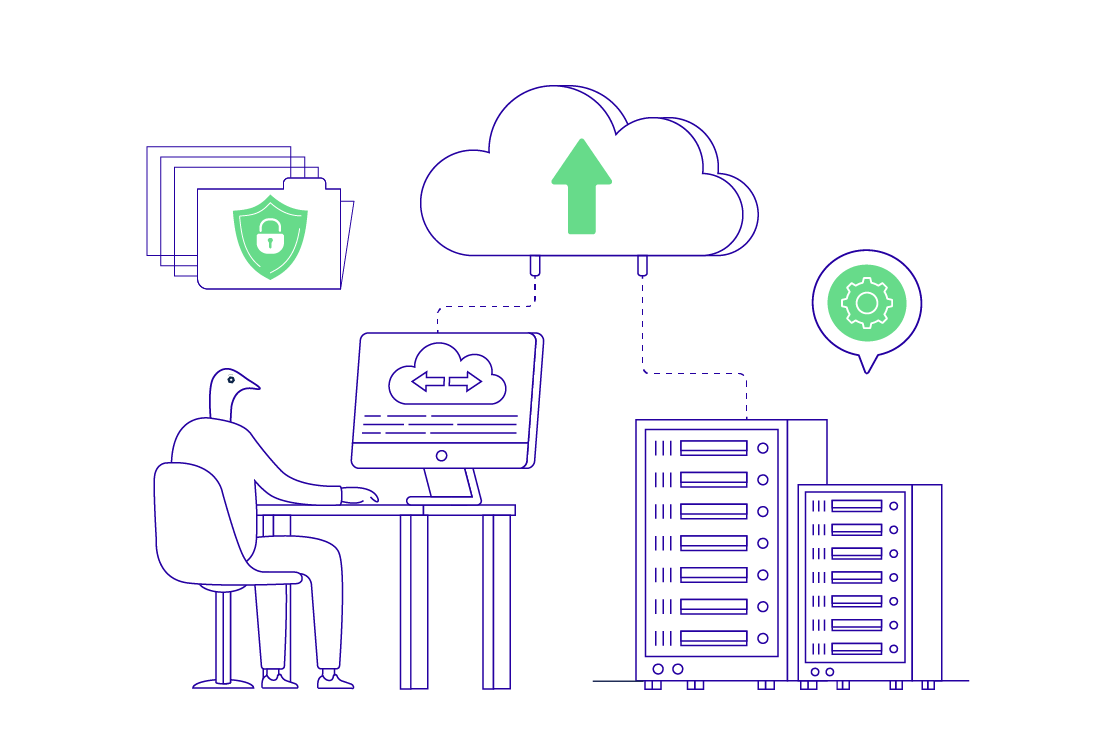 InsightAutomated data lineage toolsHow automated lineage shows where every figure comes from, and which tools fit which needs.Read the article
Questions data leaders ask

What is enterprise data governance?
The operating model of policies, ownership, controls and monitoring that makes data across the organisation accurate, secure, compliant and usable, so it becomes an asset teams and AI systems can trust.
What do BluEnt’s data governance services include?
Governance strategy and readiness, data catalogue, lineage and metadata, data quality and trust engineering, governance operating models, data adoption culture, and AI governance, privacy and compliance: consulting plus hands-on implementation.
How is data governance different from master data management?
Master data management creates a single trusted record for customers, suppliers and products. Governance is the wider framework that sets the rules master data management enforces.
Why does data governance matter for AI?
AI is only as reliable as the data behind it. Without ownership, quality controls and lineage, AI outputs inherit bad, biased or non-compliant data.
How does data governance support regulatory compliance?
It builds requirements such as GDPR, HIPAA, CCPA, SOX, BCBS 239 and the EU AI Act into how data is classified, accessed and audited, so evidence is produced on demand.
Can enterprise data governance scale globally?
Yes. A federated model enforces enterprise-wide standards while allowing regional policy variations, across business units, clouds and jurisdictions.
Where does data governance and ai-readiness work usually begin?
With a Free Governance Assessment: a 30-minute call reviewing governance maturity and gaps, followed by a prioritised roadmap. No RFP and no commitment are needed.
Is the work secure and enterprise-grade?
Yes. BluEnt holds SOC 2 Type I and Type II attestations, and has offices in the US, Canada, the UK, the Netherlands and India, and governance and security controls built into every engagement.
"*" indicates required fields
Your information is used only to reply to this enquiry and is never shared outside BluEnt. Privacy policy
