




Data-Sharing & IP Protection Posture
Project data moves between owners, consultants, contractors and AI tools. A construction data sharing policy sets how that data is handled, what partners must agree to, and how design work and models stay protected, with answers ready for client security questionnaires.
- FlowsA map of what leaves the firm
- ExposureGaps in how widely work is shared
- RulesA sharing checklist for teams
- AnswersConsistent answers for clients
Construction data sharing policy at a glance
 Who
- leadership, IT, risk and bid teams
 Inputs
- current sharing practice, contracts, past questionnaires
 Outputs
- a handling standard, supply-chain terms and an answer pack
 Who is responsible
- BluEnt drafts; the firm adopts
 Shape
- fixed scope

The problem
Security questionnaires slow down bids, and data-sharing risk is a common reason AI and data projects stall at procurement.
- Files shared through many routesproject information goes out through email, cloud links and partner platforms, each managed differently. One set of sharing rules brings them into line.
- A client asks about IP protectiona client wants to know how its design information is protected when shared with consultants. A documented posture answers the question clearly.
- AI tools and confidential filesstaff want to use AI tools on project documents. Sharing rules make clear which files may go into which tools.
What a data sharing posture includes
Rules and answers the firm can reuse on every project.
How the work runs
From the first look to a result the firm keeps.
Map what is shared
BluEnt lists what project information leaves the firm, to whom, and through which platforms.
Find the exposure
BluEnt identifies where design work or client information is shared more widely than it needs to be.
Set the rules
BluEnt writes sharing rules for partners, platforms and AI tools, and a checklist for teams.
Prepare the answers
BluEnt prepares consistent answers for client security and IP questionnaires.
What the firm receives
Named outputs, agreed in writing before the work begins.
Written for the people who will use the data-sharing and IP protection posture work, and kept by the firm when it ends ends.
What this does not cover
Legal sign-off. Legal sign-off stays with the firm's counsel.
What it covers
What the work looks at, and where it usually applies.
Every boundary of the data-sharing and IP protection posture scope is confirmed in writing first.
- What may be shared, with whom, and under which controls
- Protection for design work and intellectual property
- Sharing through external platforms and with AI tools
- A sharing checklist for project teams
- Standard answers for client questionnaires
Answered every time, or answered once
Where firms usually start with data-sharing and IP protection posture, and what changes once the work is done.
Who this is for
- Firms sharing project data widely with outside parties
- Leaders protecting design work and the firm's intellectual property
- Firms facing client security questionnaires that want consistent answers

Delivery model and security
Offices in the US, Canada, the UK, the Netherlands and India. How delivery works.
SOC 2 Type I and Type II attestations held. Security & SOC 2.
Related links
Related services that often come next.
Insights
Perspectives from BluEnt on data governance.
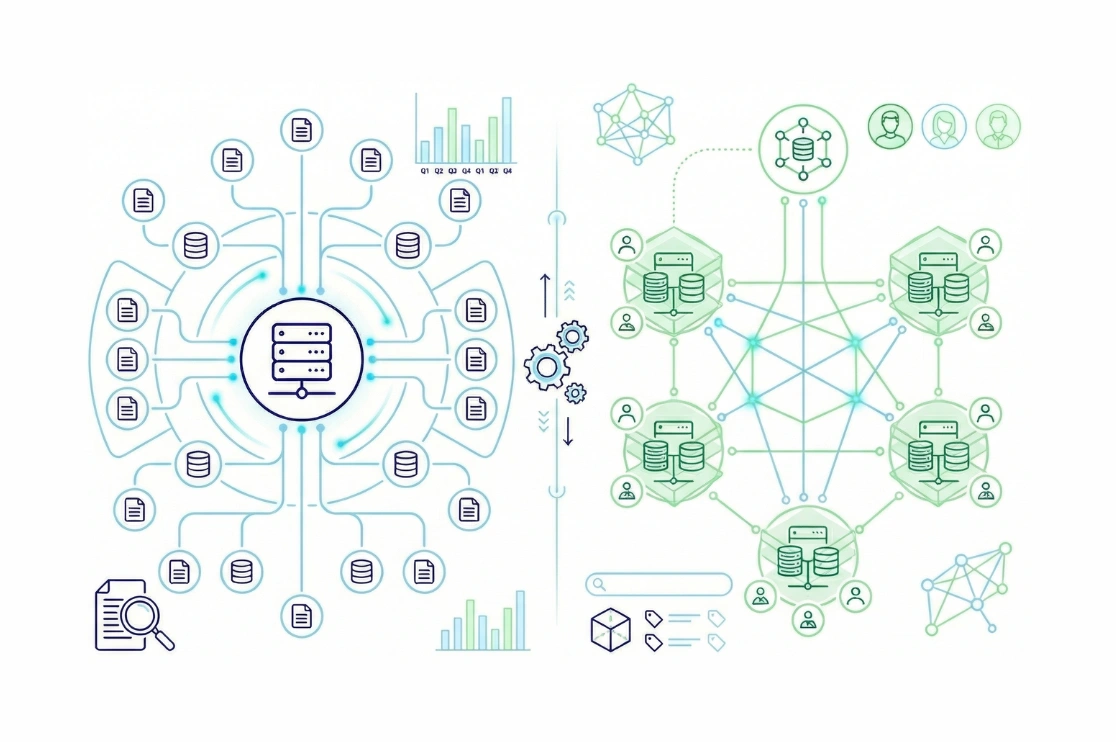 InsightCentralised, federated or hybrid governanceWhich governance model fits the organisation.Read the article
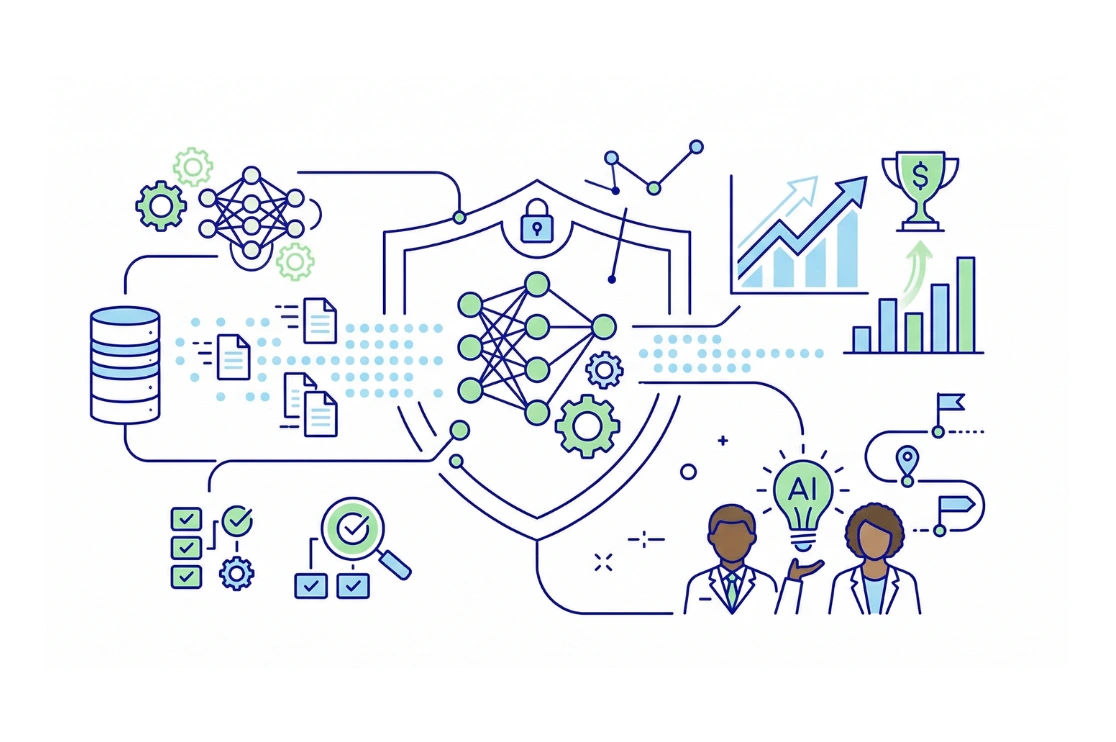 InsightData governance for AI and advanced analyticsBuilding a governance foundation that works for AI.Read the article
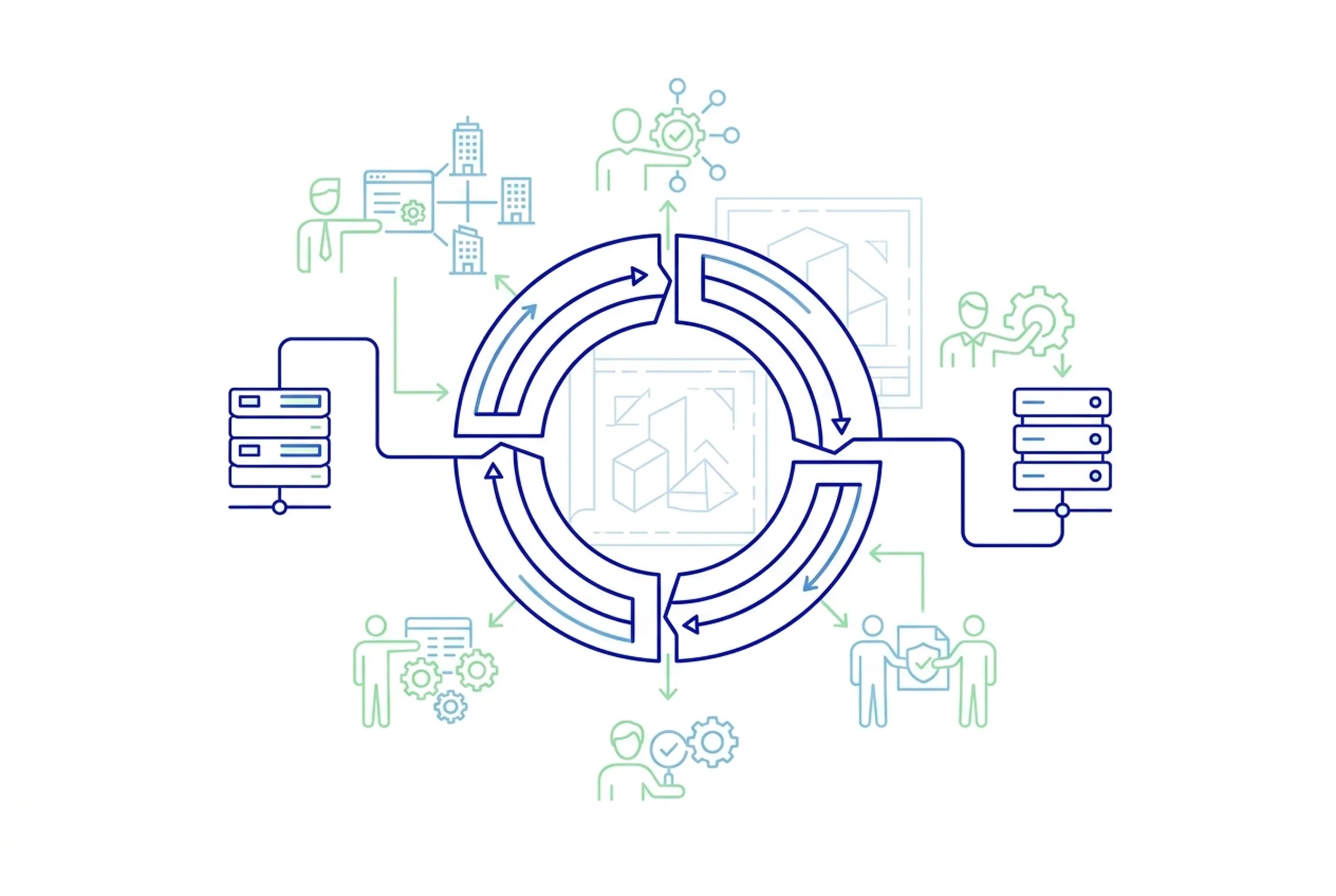 InsightData governance roles in AEC organisationsWho owns what, and how responsibilities are shared.Read the article
Questions about Data-Sharing & IP Protection Posture

Does this help with client security questionnaires?
Yes. The answer pack is built to be reused.
Does it cover partners and subcontractors?
Yes, through supply-chain terms the firm passes on.
Is BluEnt's own security relevant?
BluEnt holds SOC 2 Type I and Type II attestations. See how BluEnt delivers.
Does this cover AI tools?
Yes. Sharing with AI tools is treated like sharing with any outside party.
Does it replace contracts?
No. It works alongside the firm's contracts, which its counsel controls.
Will this slow project teams down?
It shouldn't. The checklist is short, and clear rules remove the need to ask each time.
"*" indicates required fields
Your information is used only to reply to this enquiry and is never shared outside BluEnt. Privacy policy
