




AI Governance Framework
An AI acceptable use policy for construction tells staff which AI tools they may use, what information they may put into them, and when a person must check the result. This framework writes it for design and construction work, with the contract and IP questions answered.
- PracticeA view of where AI is used
- CategoriesUses sorted by level of risk
- PolicyA written policy teams can read
- LaunchA policy introduced to every team
AI acceptable use policy for construction at a glance
 Who
- leadership, IT, risk
 Inputs
- current AI use, contracts, policies
 Outputs
- policy, inventory, information classes, review rules
 Who is responsible
- BluEnt drafts; the firm adopts
 Shape
- fixed scope

The problem
Generic AI policies ignore what matters in AEC: client-owned design data, third-party IP and confidentiality terms in project contracts.
- No written policyteams use AI tools, but nothing is written down. A policy gives everyone the same rules.
- A generic template that doesn't fitthe firm adopted a general AI policy that says nothing about drawings, models or project data. A framework written for AEC work closes the gaps.
- New tools keep appearingeach new AI tool raises the same questions. A clear approval step means new tools are reviewed the same way every time.
What the AI governance framework produces
A policy staff can follow, backed by the detail behind it.
How the work runs
From current use to a policy the firm adopts.
Gather current practice
BluEnt reviews how AI is used across proposals, design, documents and project communication.
Sort the uses
BluEnt groups AI uses into allowed, allowed with care, and not allowed, for design and construction work.
Draft the policy
BluEnt writes the AI acceptable use policy, the approval steps and a plain-language staff guide.
Review and launch
BluEnt reviews the draft with leadership, adjust it, and help introduce it to teams.
What the firm receives
Named outputs, agreed in writing before the work begins.
Written for the people who will use the AI governance framework work, and kept by the firm when it ends ends.
What this does not cover
Legal sign-off. Legal sign-off stays with the firm's counsel.
A template, or a policy for AEC work
Where firms usually start with AI governance framework, and what changes once the work is done.
Who this is for
- Firms with no written AI policy whose teams already use AI
- Firms with a generic template that does not fit design and construction work
- Leaders responding to client requests for an AI acceptable use statement

Delivery model and security
Offices in the US, Canada, the UK, the Netherlands and India. How delivery works.
SOC 2 Type I and Type II attestations held. Security & SOC 2.
Related links
Related services that often come next.
Insights
Perspectives from BluEnt on data governance.
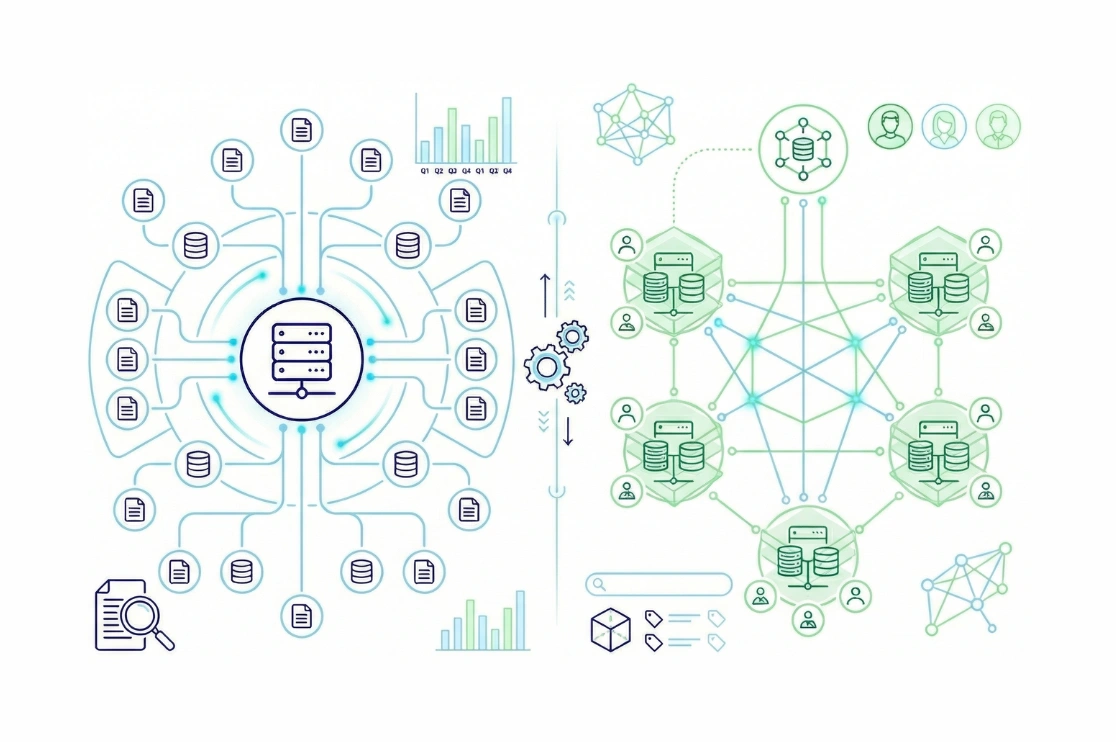 InsightCentralised, federated or hybrid governanceWhich governance model fits the organisation.Read the article
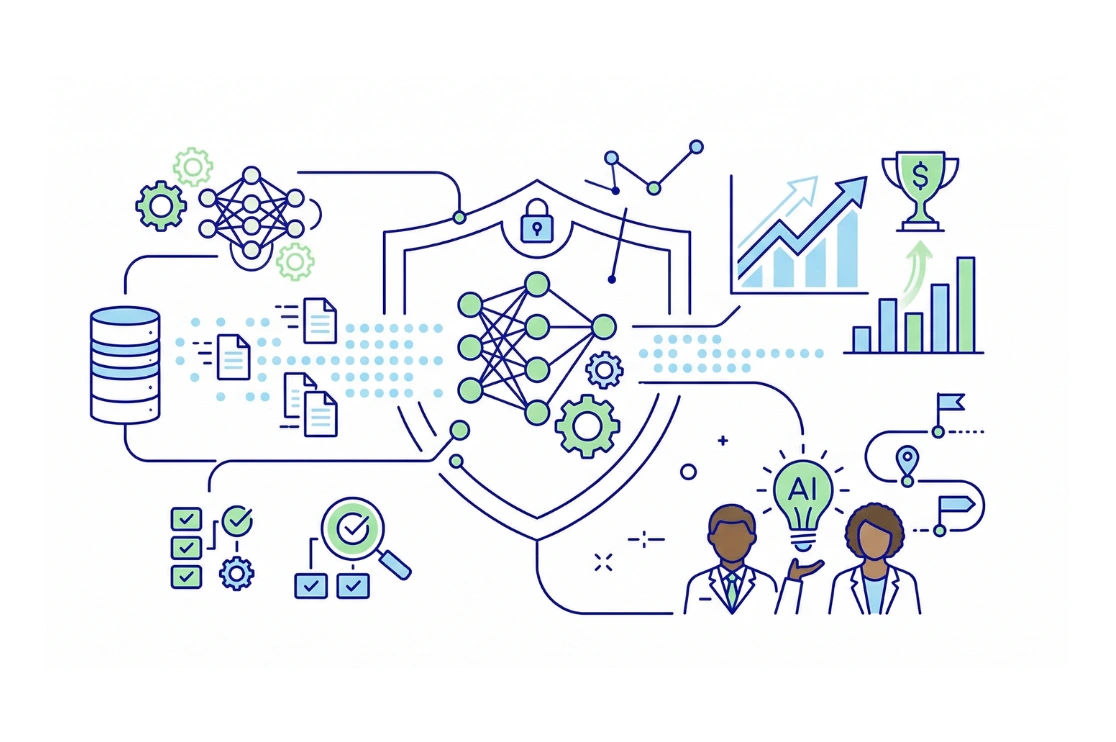 InsightData governance for AI and advanced analyticsBuilding a governance foundation that works for AI.Read the article
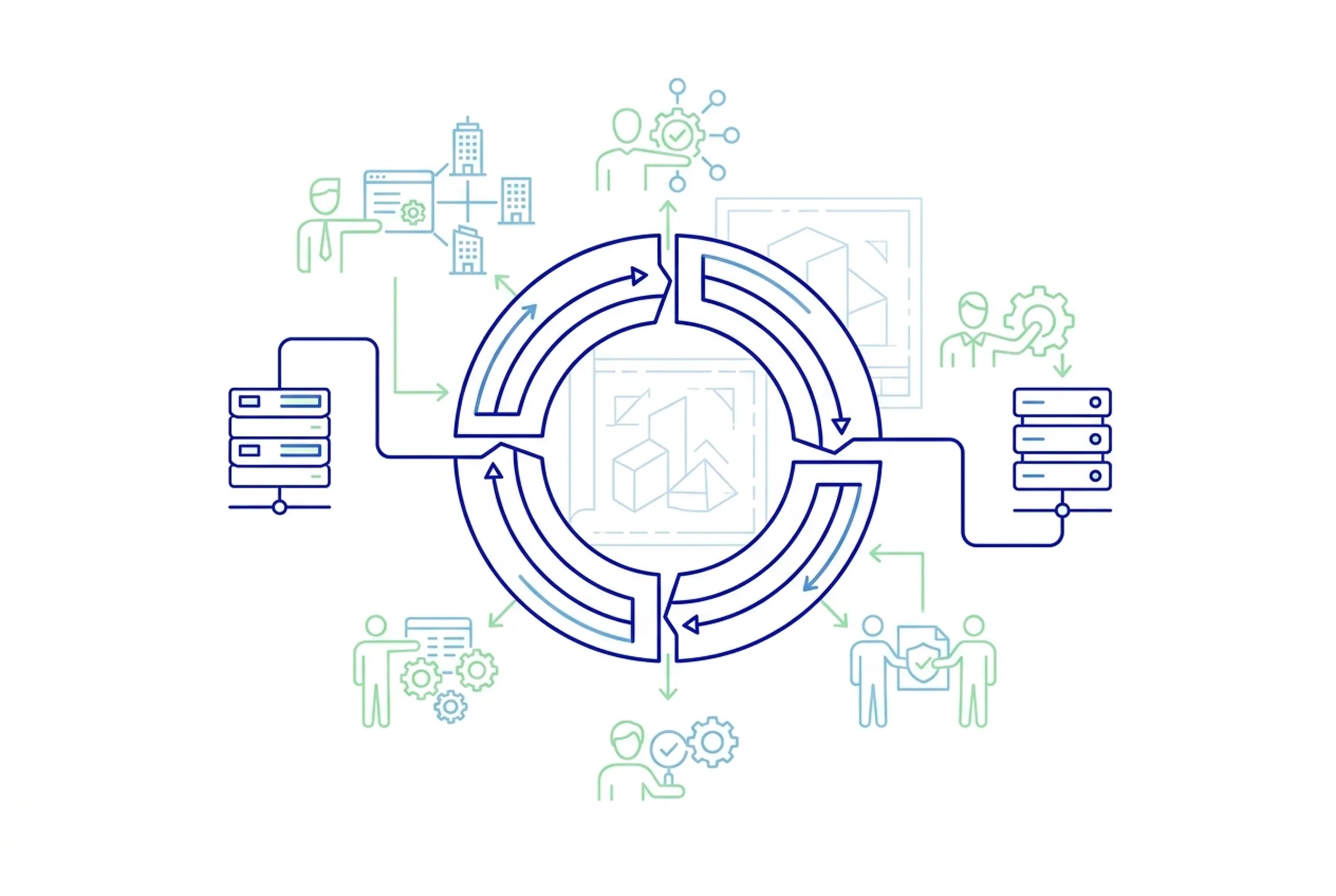 InsightData governance roles in AEC organisationsWho owns what, and how responsibilities are shared.Read the article
Questions about AI Governance Framework

How long is the policy?
Short enough to read; the detail sits behind it.
Does it cover tools staff already use?
Yes. The inventory starts from current use.
What happens when a new tool appears?
The vendor-AI check process decides whether it is approved.
Is the policy specific to AEC work?
Yes. It covers proposals, design, documents and project communication.
How often should it be reviewed?
When tools or client requirements change. The approval process covers new tools.
How do staff learn the rules?
Through the plain-language staff guide, introduced to teams when the policy launches.
"*" indicates required fields
Your information is used only to reply to this enquiry and is never shared outside BluEnt. Privacy policy
