




Information Hub
A construction information management hub does not replace a firm's existing platforms. It connects across the drives and platforms a firm already uses, and makes what is inside them named, structured and ready for AI.
- PlatformsA map of every platform in use
- PriorityThe first problem to solve
- StructurePlatforms linked under one structure
- RoutineA structure that keeps holding
Construction information management hub at a glance
 Who
- information managers, CIOs, heads of digital delivery
 Inputs
- the platforms in use today
 Outputs
- connected, governed information
 Who is responsible
- BluEnt configures and supports the service; the firm owns its information
 Shape
- scoped service

The problem, specifically
Information sits in drives, cloud platforms and inboxes that are not connected.
Standards exist on paper but nothing makes them stick.
- Information in too many placesfiles sit across drives, cloud platforms and email, and teams lose time looking. Connected platforms and one structure make information easier to find.
- Decisions get lostimportant decisions are made in meetings and email threads, then forgotten. Captured decisions stay findable.
- Each client has its own rulesteams struggle to remember each client's standards. Client-specific checklists keep submissions consistent.
What it covers
What the work looks at, and where it usually applies.
Every boundary of the information hub scope is confirmed in writing first.
- Connecting the platforms a firm already uses
- One consistent structure for project information
- Capturing decisions from meetings, email and documents
- Client-specific quality checks built from client standards
- A common data environment set up on existing platforms
How the work runs
From the first look to a result the firm keeps.
Map the platforms
BluEnt lists where project information lives today: drives, cloud platforms, email and project tools.
Pick the first problem
BluEnt agrees which problem costs the most time, such as scattered files or lost decisions.
Connect and structure
BluEnt connects the relevant platforms and apply one structure to how information is organised.
Make it stick
BluEnt sets simple routines and guidance so the structure holds as projects change.
What the firm receives
Named outputs, agreed in writing before the work begins.
Written for the people who will use the information hub work, and kept by the firm when it ends ends.
What this does not cover
Selling or licensing software. BluEnt's tools are the mechanism inside the service. They are not sold separately.
Connect, or replace
The difference is whether the firm keeps the platforms it already pays for.
Where firms usually start with information hub, and what changes once the work is done.
Who this is for
- Firms with information spread across platforms that do not talk to each other
- Teams that cannot find decisions or files without asking colleagues
- Leaders who want to keep current platforms rather than replace them

Delivery model and security
Offices in the US, Canada, the UK, the Netherlands and India. How delivery works.
SOC 2 Type I and Type II attestations held. Security & SOC 2.
Related links
Related services that often come next.
Insights
Perspectives from BluEnt on data governance.
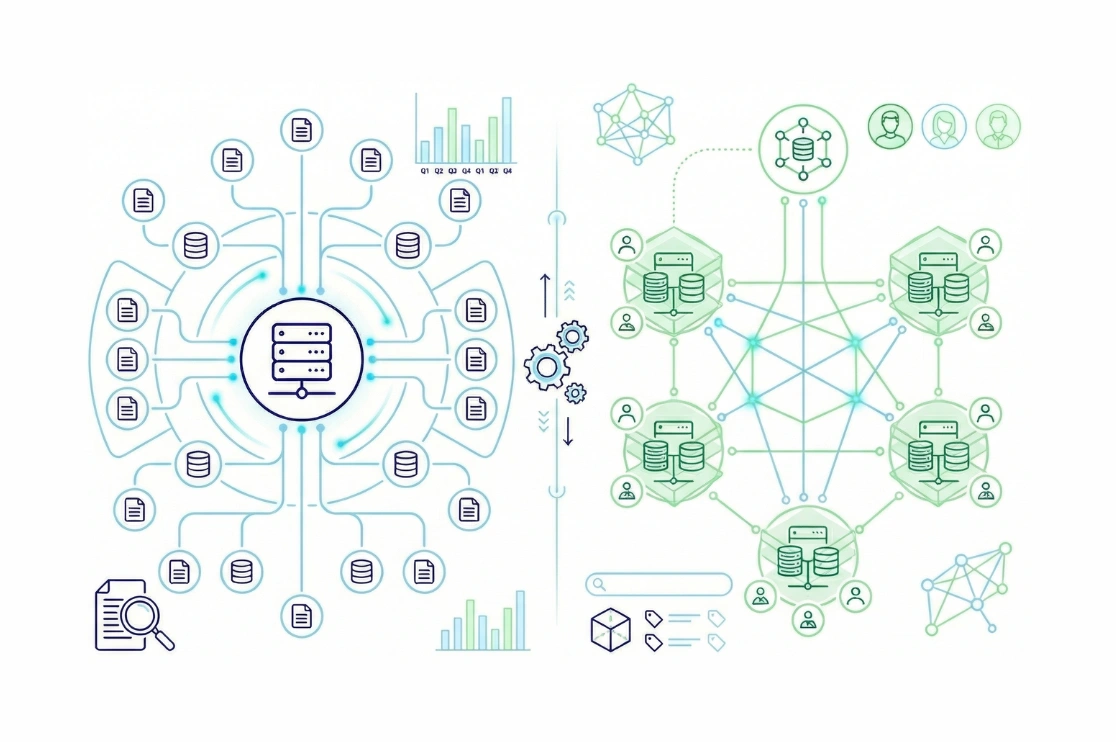 InsightCentralised, federated or hybrid governanceWhich governance model fits the organisation.Read the article
 InsightData governance for AI and advanced analyticsBuilding a governance foundation that works for AI.Read the article
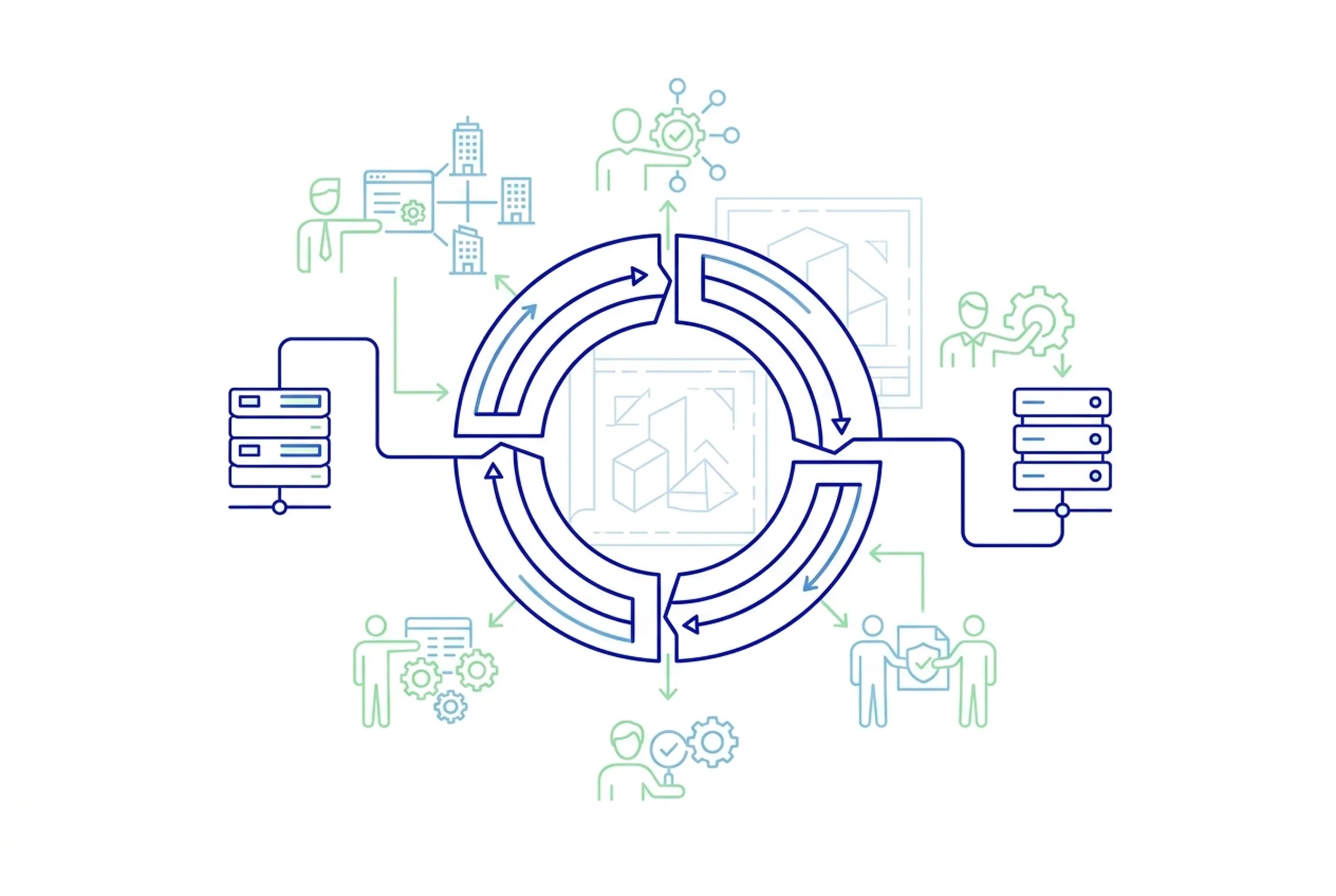 InsightData governance roles in AEC organisationsWho owns what, and how responsibilities are shared.Read the article
Questions about Information Hub

Does the firm have to change platforms?
No. The hub connects across the platforms already in use.
Is this a software product?
No. It is a service; the tools are how the work is done.
Where should a firm start?
With the problem that costs most time today, such as scattered files or lost decisions.
Do all the parts have to be done together?
No. Each part works on its own, and most firms start with one.
Will teams need to change how they work?
A little. The structure and routines are designed around how teams already work.
"*" indicates required fields
Your information is used only to reply to this enquiry and is never shared outside BluEnt. Privacy policy
