




AI services for enterprises in any industry, with AEC as a specialism.
Most AI pilots never reach production.
BluEnt combines deep industry insight with advanced data engineering and practical machine learning, so AI projects move from proof of concept to systems that improve customer experience, streamline operations and support decisions, measured against business KPIs.
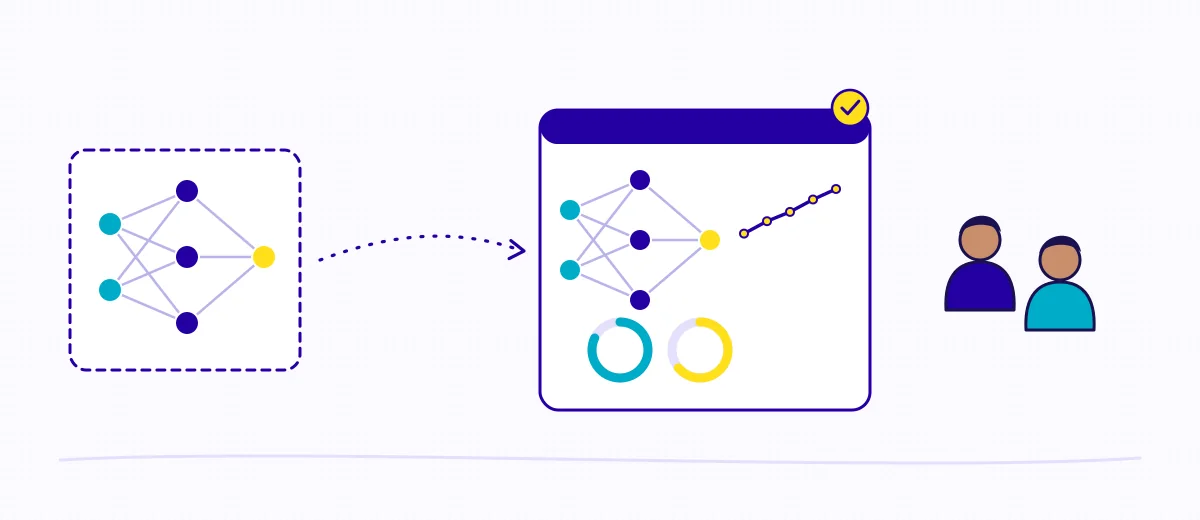
At a glance
 What it covers
- AI and machine-learning solutions, large language models, and integration with existing systems
 Strengths
- Deep industry expertise, advanced data engineering and practical machine-learning solutions
 Technology
- Python, TensorFlow and PyTorch; OpenAI APIs and transformer-based models; Databricks, Snowflake, AWS and Azure ML. Naming a product describes the work; it is not a partnership claim.
 Deployment
- Cloud-native, on-premises for strict compliance, or hybrid
 How it starts
- A Free AI Gameplan: one conversation to shortlist the use cases worth building first

Where AI pilots stall
The model works in the demo, then meets real data.
Proofs of concept collect dust when the data, the platform and the business goal are not in place.
AI delivers only when it is aimed at a measurable business problem, trained on clean and relevant data, tested in real conditions and monitored after launch. Without that, pilots never become systems the business relies on.
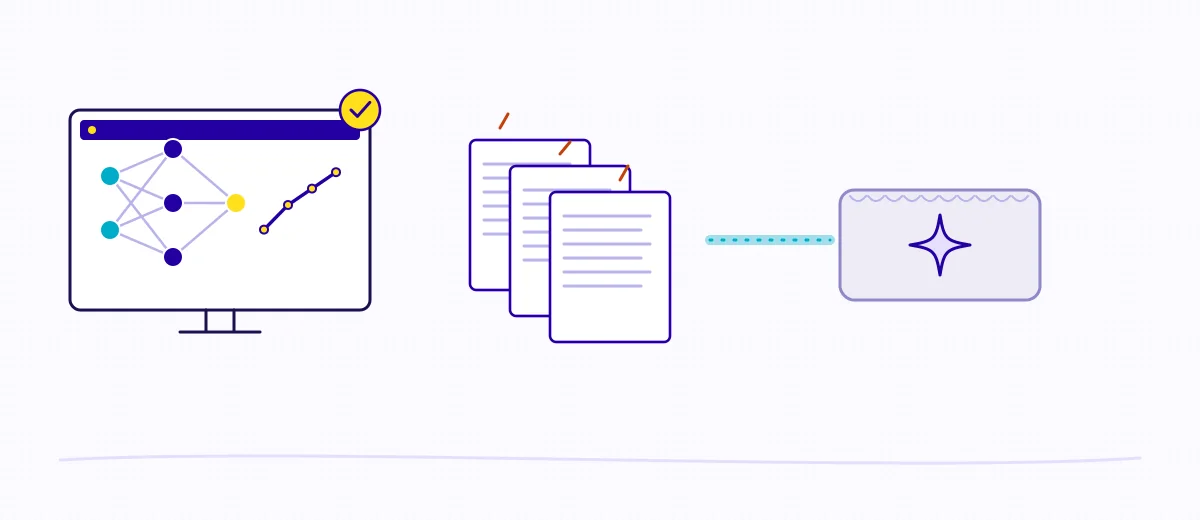
The AI solutions
Whether exploring a first use case or scaling across the enterprise, every service is designed around return, efficiency and measurable value.
| Service | What it delivers |
|---|---|
| AI & ML strategy and consulting | Which AI uses are worth building, judged by value and by whether the data is ready |
| AI & ML implementation | Models given the data they need, then built, tested and put into service |
| Custom AI & ML development | Solutions matched to the organisation’s industry, data and goals |
| AI application development | Applications with AI built in, for customers or internal teams |
| AI platform engineering & integration | AI connected to existing systems, data platforms and workflows |
| Custom LLM development | Large language models adapted to the organisation’s domain and data |
| LLM integration & deployment | Robust, compliant delivery on cloud-native or hybrid infrastructure |
| Chatbots, copilots & knowledge assistants | Conversational AI that answers from the organisation’s own documents and data |
| Predictive analytics & segmentation | Forecasting, demand prediction and customer segmentation |
| Process automation | Repetitive workflows automated, with fewer errors and better productivity |
| Risk & fraud detection | Anomalies and threats spotted in real time |
| Monitoring & retraining (MLOps) | Models monitored, adapted and retrained so accuracy holds over time |
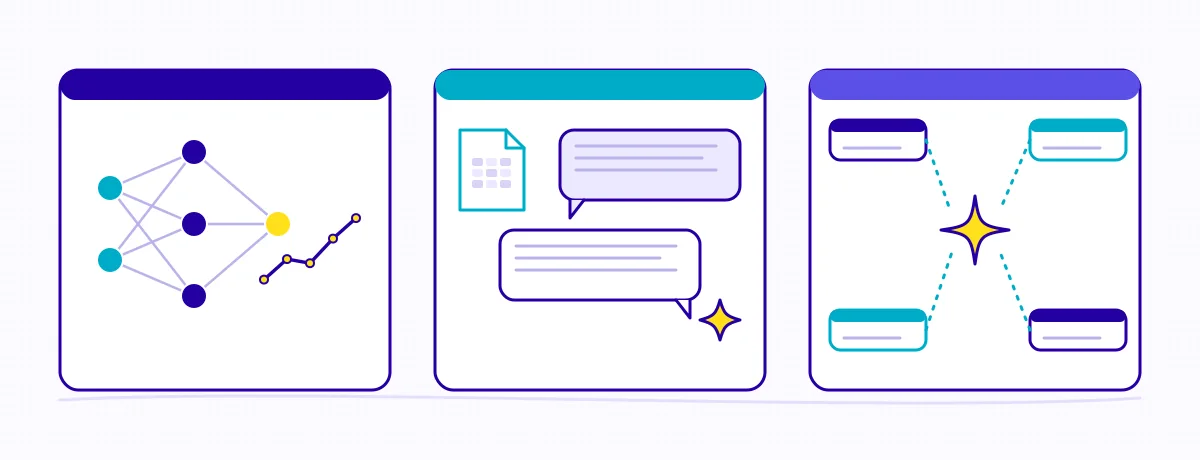
How AI is trained to deliver value
Five steps that turn AI into a revenue-generating, risk-reducing asset.
Set the goal
The high-value problems AI will solve are pinpointed first, with measurable business results agreed up front.
Feed it good data
Clean, relevant and bias-checked data is prepared, so the decisions AI makes can be trusted.
Test and tune
Models are tested, adjusted and fine-tuned until they perform reliably in real conditions, not only on samples.
Choose the right engine
Models and platforms are matched to the organisation’s goals, industry and pace of change.
Keep it current
Performance is monitored, adapted and retrained, so results hold as the data and the business change.

AI that collects dust, or AI that delivers
Where the project starts
AI that collects dust: With the technology
AI that delivers: With a measurable business problem
What the model learns from
AI that collects dust: Whatever data is available
AI that delivers: Clean, relevant, bias-checked data
How it is tested
AI that collects dust: On sample data in a demo
AI that delivers: In real conditions, before launch
What happens after launch
AI that collects dust: It drifts until it is ignored
AI that delivers: It is monitored, adapted and retrained
How AI creates value for each leader
CTOs and CIOs get AI-ready systems with models monitored for compliance; CFOs forecast returns, costs and cash flow and spot cost leaks; COOs automate processes and get early warning of operational issues; CMOs run targeted campaigns with real-time analytics; CHROs spot disengagement early and improve hiring; CEOs test ideas before scaling them. Knowledge assistants work best when they answer from governed sources, which is why a clear LLM retrieval strategy matters.
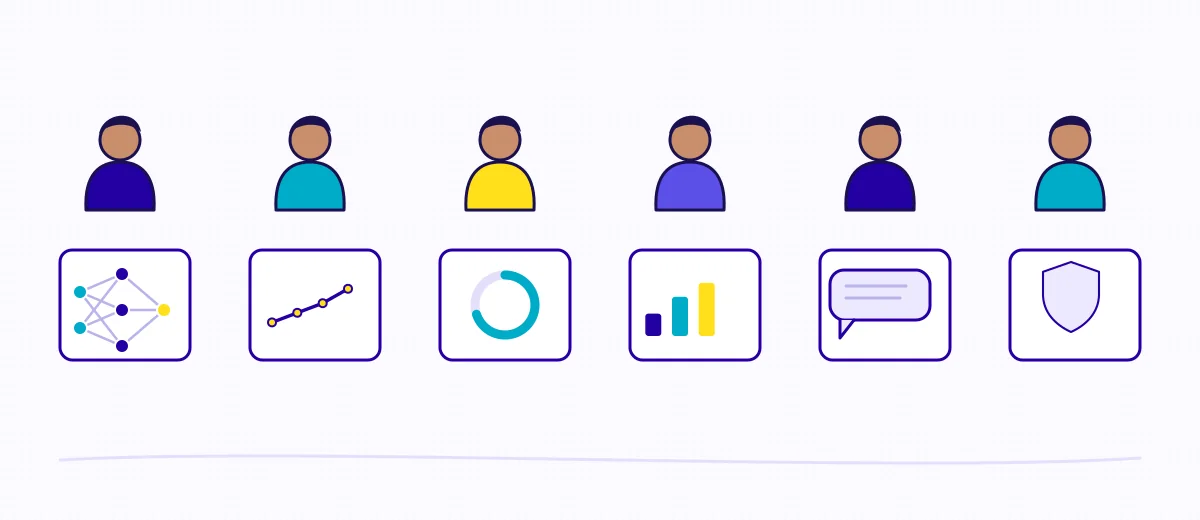
The technology behind it
- Tech stack: Python, TensorFlow and PyTorch; OpenAI APIs and transformer-based models; Databricks, Snowflake, AWS and Azure ML.
- Data handling: ETL and ELT pipelines for large-scale preparation, feature engineering for accuracy, and real-time streaming.
- Model types: predictive analytics and segmentation, reinforcement learning for optimisation, and transformer-based models for language and generative AI.
- Deployment: cloud-native for scale and cost, on-premises for strict compliance, or hybrid.
Skip the hype and focus on impact: AI that pays its way, from quick-win pilots to full-scale rollout.

Delivery model and security
Offices in the US, Canada, the UK, the Netherlands and India. How delivery works.
SOC 2 Type I and Type II attestations held. Security & SOC 2.
Related links
AI is only as reliable as the data and governance beneath it. Engineering brings the data together, governance makes it dependable, and AI then has something trustworthy to learn from and answer with.
Insights
Perspectives from BluEnt on putting AI to work in the enterprise.
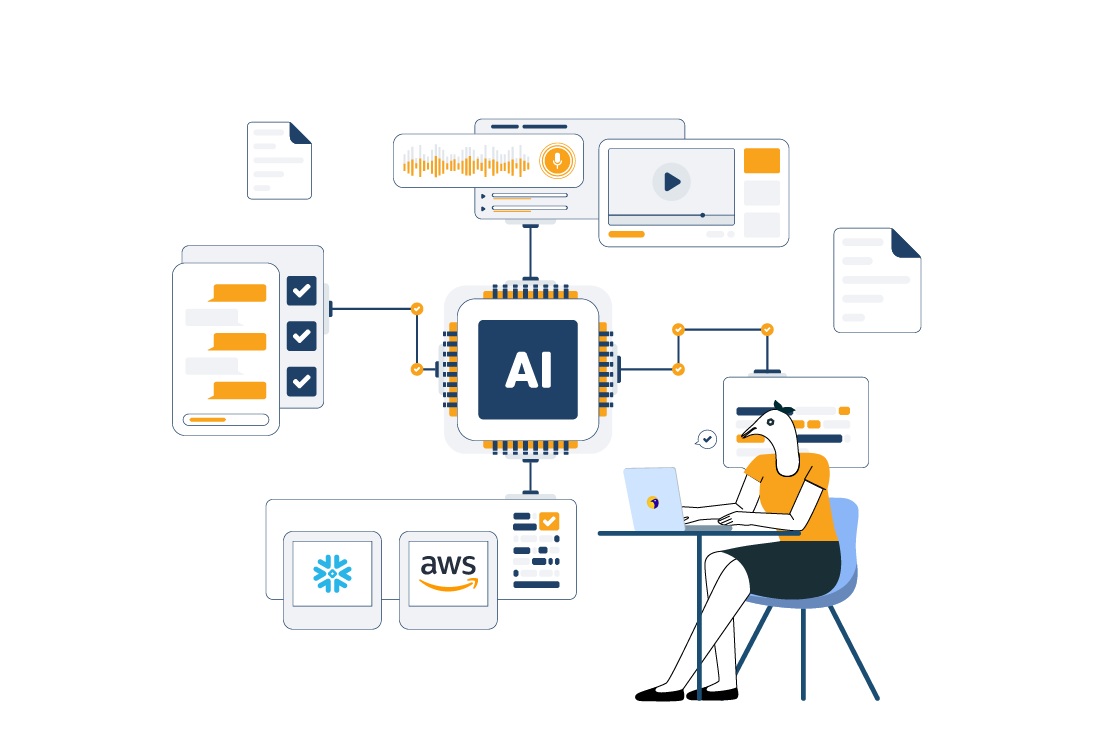 InsightFrom GenAI strategy to executionHow to move generative AI from strategy decks into working systems.Read the article
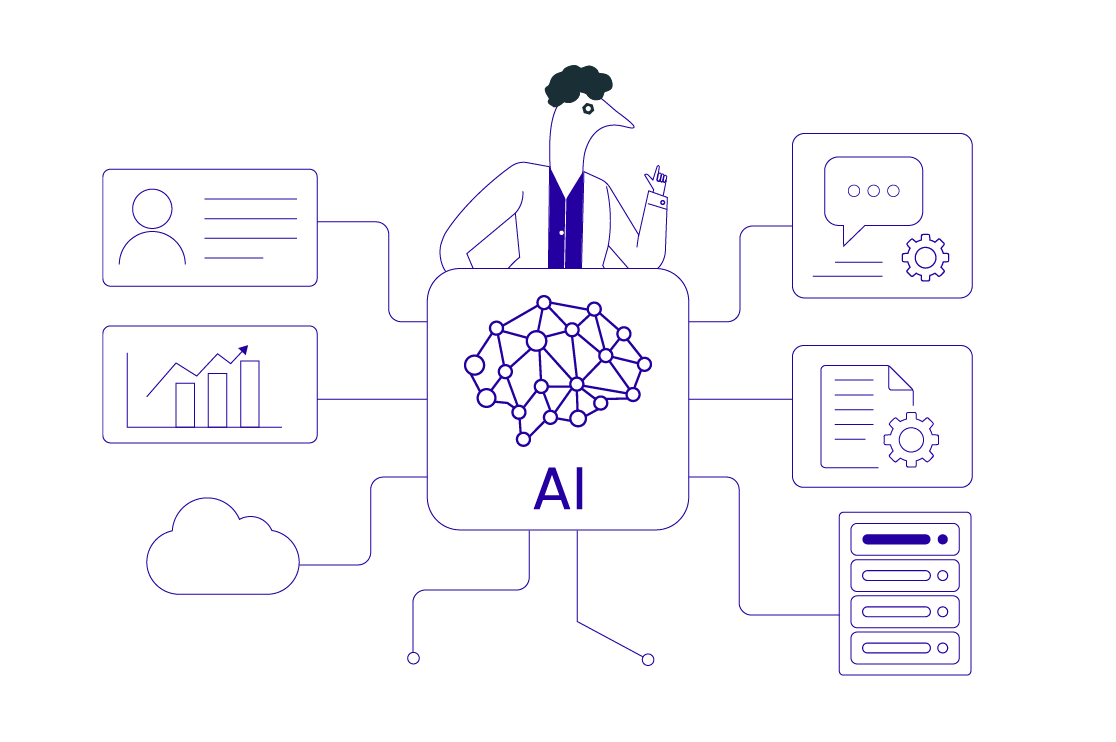 InsightEnterprise AI strategySetting priorities, data foundations and governance for AI across the organisation.Read the article
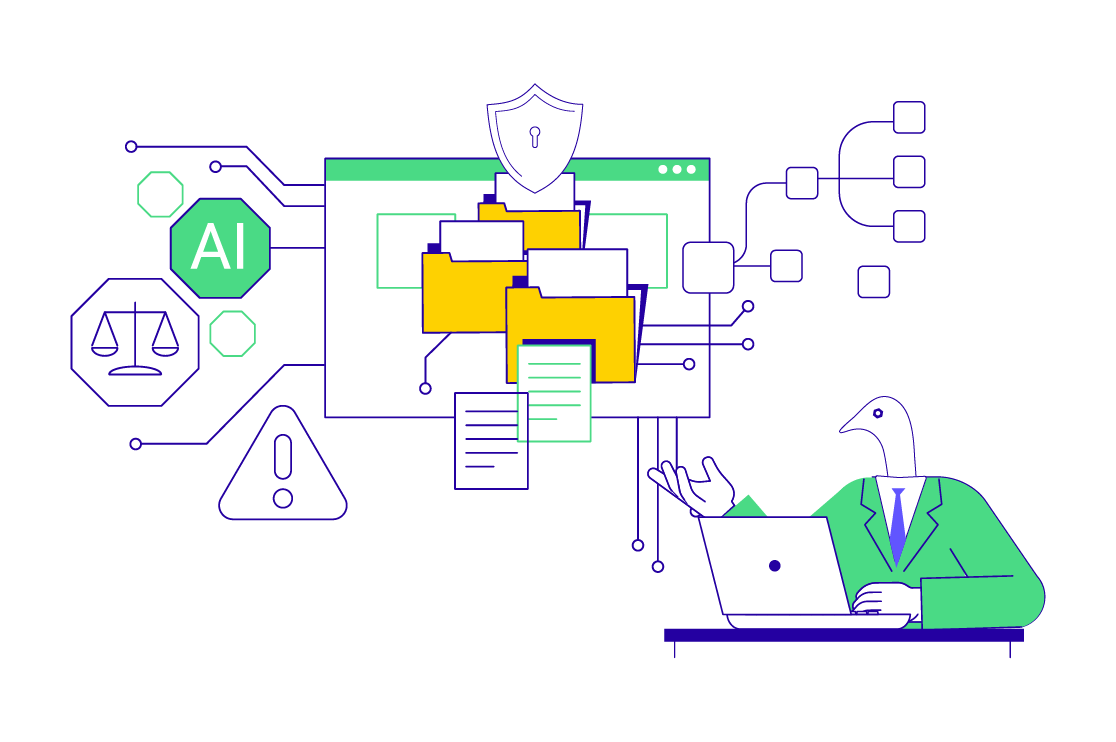 InsightAn AI governance frameworkThe controls that keep AI accurate, safe and compliant as it scales.Read the article
Questions data leaders ask

What does BluEnt’s AI work cover?
AI and machine-learning solutions, large language models such as assistants, copilots and chatbots, and integration with existing systems and data platforms.
How does an AI pilot reach production?
By setting a measurable goal, preparing the data, testing in real conditions, choosing the right platform, and monitoring and retraining after launch.
Can AI run on-premises?
Yes. Models can be deployed cloud-native, on-premises for strict compliance, or in a hybrid set-up.
What is a knowledge assistant?
An LLM-based assistant that answers from the organisation’s own documents and data, rather than from the open internet.
What is the Free AI Gameplan?
A first conversation that shortlists the AI use cases worth building first and the data each one needs.
"*" indicates required fields
Your information is used only to reply to this enquiry and is never shared outside BluEnt. Privacy policy
