


Data engineering for enterprises in any industry, with AEC as a specialism.
Enterprises build agile, future-ready data ecosystems on comprehensive data engineering and modernisation.
BluEnt unifies and optimises data infrastructure, from data modernisation and lakehouse architecture to cloud migration, ETL and real-time pipelines, for scalability, performance and better decisions.
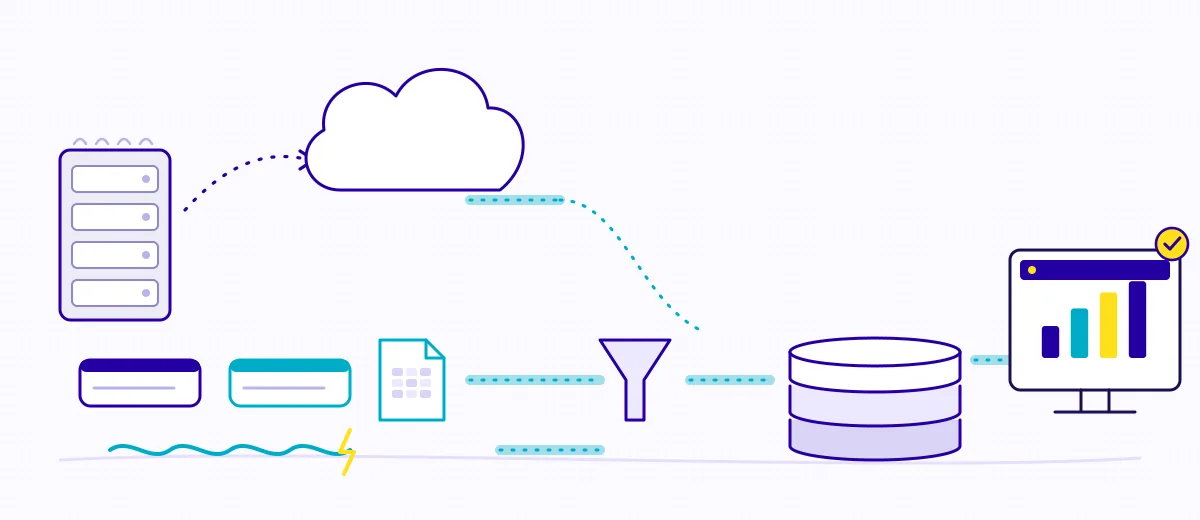
At a glance
 Who it is for
- Data leaders, CIOs and engineering teams in healthcare, finance, retail, education, energy, gaming and AEC
 What it covers
- Data warehousing and lakehouse design, ETL and data pipelines, cloud migration and management
 Platforms
- AWS, Azure and Google Cloud; Snowflake, Databricks and Microsoft Fabric
 Data handled
- Structured and semi-structured data, in scheduled batches and in real time
 How it starts
- A Free Strategy Call, or a Data & AI Walkthrough at no charge

Where data platforms slow decisions
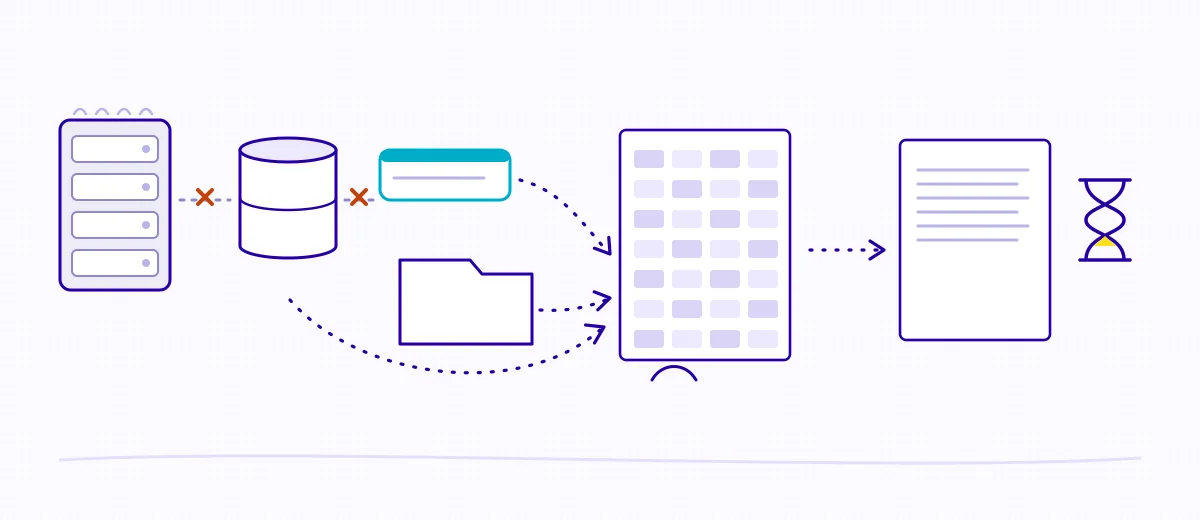
Data sits in systems that were never built to work together.
Reports wait on exports, merges and manual fixes before anyone can use them.
Legacy servers, siloed sources and hand-built spreadsheets keep analytics a step behind the business. Modern data engineering brings every source into one reliable model, kept current without manual work.
What data engineering & modernization covers
Every service is built for scale, performance and reliability.
| Capability | What it delivers |
|---|---|
| Unified architecture for all data | Structured, semi-structured and unstructured data in one warehouse or lakehouse |
| Real-time and batch support | Streaming and scheduled loads handled side by side |
| Cost-effective, cloud-native models | Storage and compute that scale without straining budgets |
| High-volume workloads | Enterprise-scale performance and reliability |
| Automated pipelines | Repetitive workflows automated through ETL and data pipelines, so data is available sooner |
| Multi-source integration | Data connected from any platform or source |
| Format support | JSON, XML, CSV and other structured and semi-structured formats |
| Performance-optimised transformation | High-speed processing without compromising quality |
| Migration at scale | Large volumes moved to the cloud without interrupting the business, through cloud data migration |
| Secure, cloud-first infrastructure | Encryption, access controls and compliance frameworks |
| Centralised management | Usage, performance and costs monitored in one place |
| Ongoing cost-performance tuning | Continuous optimisation for speed, spend and scale |
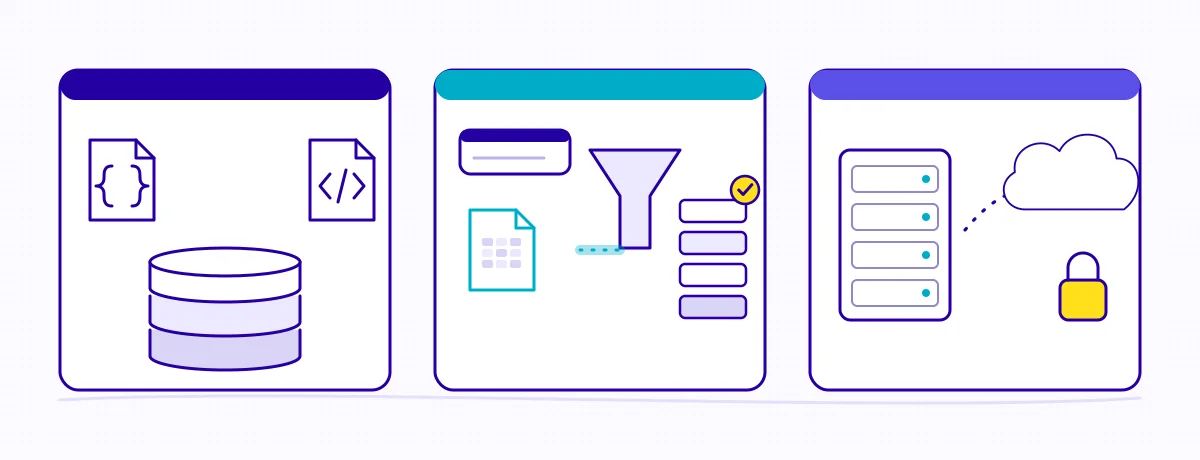
How the work runs
From scattered sources to one monitored platform the team can rely on.
Map the sources
Every system, format and volume is listed with the people who use it, so nothing is missed and the priorities are clear before any design starts.
Design the model
The warehouse or lakehouse is designed around the reports and AI uses it must serve, and sized to the data volumes and the budget.
Build and test the pipelines
Automated loads are built for batch and real-time data, with checks that flag any record that fails, and tested on the organisation’s own data.
Migrate, monitor and tune
The cutover is reconciled against the old systems, then usage, speed and spend are monitored and tuned as the platform grows.

Manual and siloed, or engineered and unified
When data is ready to use
Manual and siloed: After exports and manual fixes
Engineered and unified: As soon as automated pipelines run
How sources connect
Manual and siloed: Separately, one system at a time
Engineered and unified: Through one integrated model
How the platform scales
Manual and siloed: By adding servers and cost
Engineered and unified: Cloud-native, on demand
How a migration feels
Manual and siloed: Risky and disruptive
Engineered and unified: Planned, reconciled and uninterrupted
Why organisations partner with BluEnt
Results tied to revenue, enterprise-ready designs that scale, and architecture that evolves with the business. Platform work covers Snowflake consulting and implementation, Databricks services and Microsoft Fabric solutions, alongside AWS, Azure and Google Cloud. Platforms are chosen to fit the organisation, not the other way round.
About our clients
- WellSky: MuleSoft integration; analytics and dashboards in Tableau, Microsoft SQL Server and SSIS.
- Gearbox: gift-card management, reporting, data integration and analytics; NetSuite reporting and records.
- Epic: gift-card management, reporting, data integration and analytics.
- Aspyr: invoicing, AP reports and sales data analytics.
- HFS: data analytics and dashboards; HubSpot automation and integration.
Business analysts, accountants, applied mathematicians and programmers, working as one integrated team.

Delivery model and security
Offices in the US, Canada, the UK, the Netherlands and India. How delivery works.
SOC 2 Type I and Type II attestations held. Security & SOC 2.
Related links
Engineering brings the data together; analytics and AI put it to work. Once one reliable model is in place, the same data feeds dashboards, governance controls and AI use cases without being rebuilt for each one.
Insights
Perspectives from BluEnt on building and modernising data platforms.
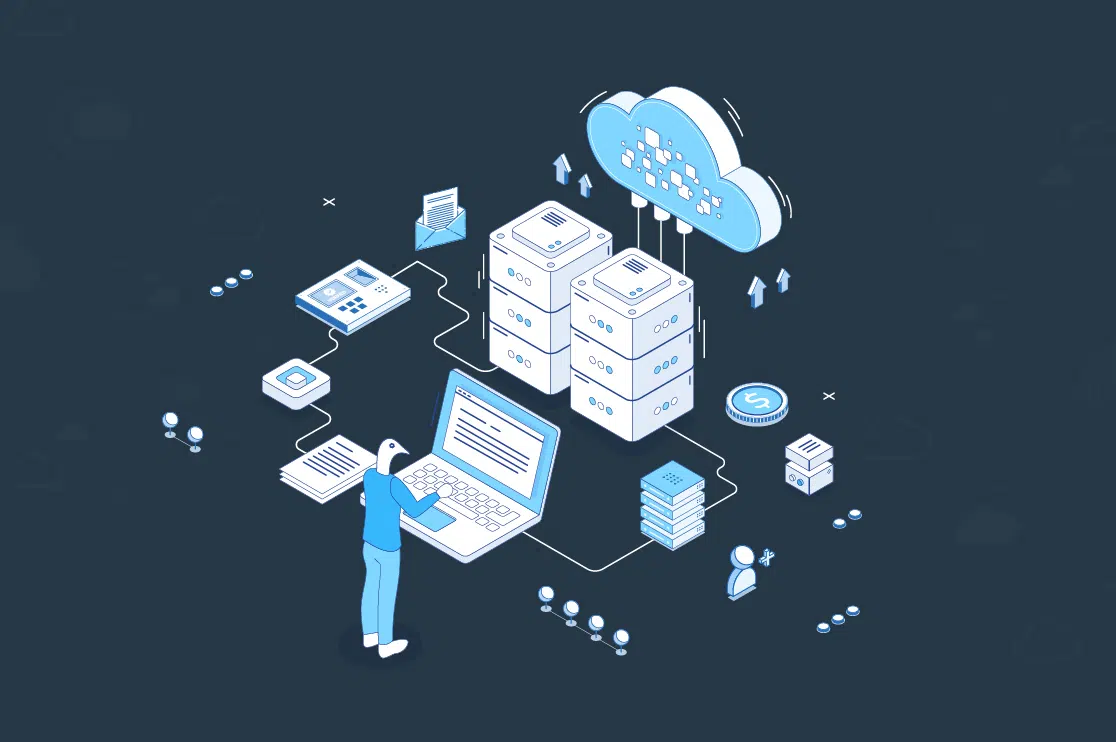 InsightCloud data engineering: infrastructure and future trendsHow cloud-native data engineering is changing the way enterprises build and run their platforms.Read the article
 InsightWhat is data warehousing?The building blocks of a modern data warehouse, and when it is the right foundation.Read the article
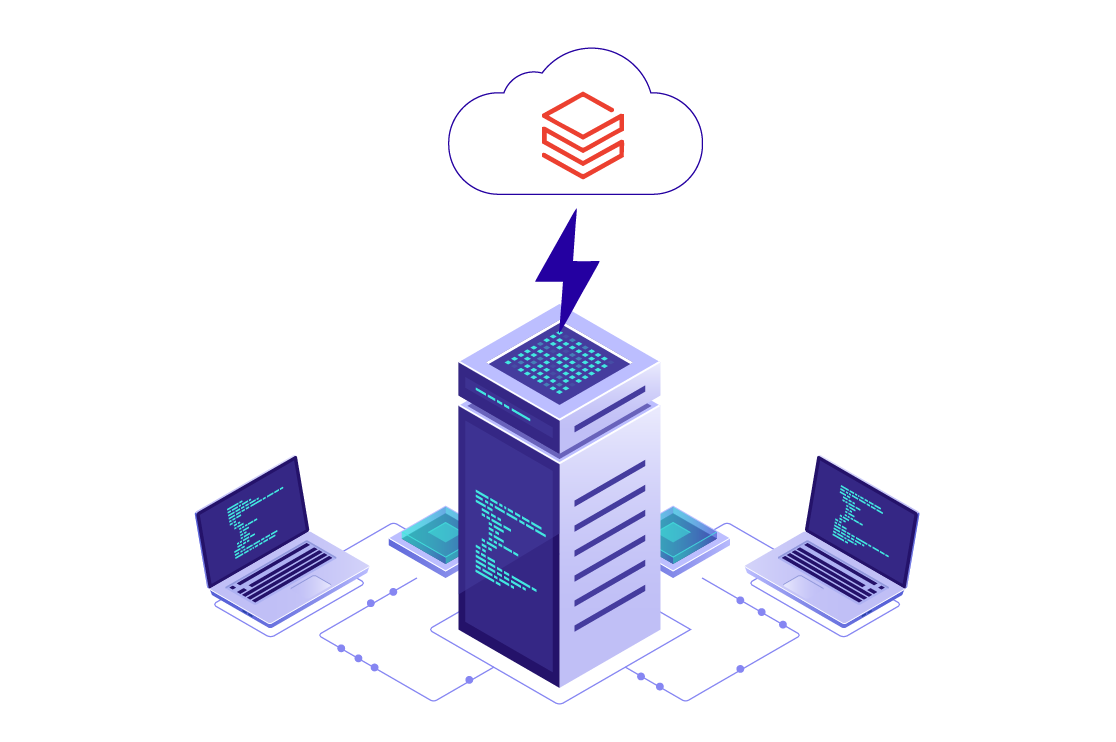 InsightDatabricks vs traditional data warehousingHow a lakehouse compares with a traditional warehouse on cost, flexibility and return.Read the article
Questions data leaders ask

What is the difference between a data warehouse and a lakehouse?
A warehouse stores structured, modelled data for reporting. A lakehouse also holds semi-structured and raw data in the same platform, so analytics and machine learning share one store.
Which cloud and data platforms does BluEnt work with?
AWS, Azure and Google Cloud, and Snowflake, Databricks and Microsoft Fabric, chosen to fit the organisation’s licences, skills and data volumes.
Can real-time and batch data run together?
Yes. Pipelines are designed for both streaming and scheduled loads.
How is data integrity protected during a migration?
Source and target data are reconciled before cutover, with encryption and access controls in place throughout.
Who manages the platform afterwards?
The organisation’s own team, or BluEnt through ongoing monitoring and cost-performance tuning.
"*" indicates required fields
Your information is used only to reply to this enquiry and is never shared outside BluEnt. Privacy policy